Who it's for
A storefront built to convert, not just to look good — fast, clean, and tuned for the metrics that move revenue.
- →DTC and ecommerce owners launching or relaunching on Shopify
- →WooCommerce or WordPress stores migrating to Shopify
- →Brands whose theme is slow, app-bloated, or converting poorly
- →Owners who want the store and the ads run by one team
What's included
Everything we ship
- ✓Shopify theme setup & custom design
- ✓Bespoke sections without app bloat
- ✓WooCommerce / WordPress migrations
- ✓Speed & Core Web Vitals optimisation
- ✓Conversion-rate optimisation (CRO)
- ✓Payments, shipping & app integrations
Engagement
Project-based quote after a free store teardown — with a clear scope agreed before we start.
What you get
The difference it makes.
Faster store, higher conversion
We strip app bloat and tune load speed — because every second of delay quietly costs you orders.
Custom sections, no app tax
Bespoke Liquid sections instead of ten paid apps slowing the site and stacking monthly fees.
Migrations that keep your rankings
We move products, URLs and SEO across cleanly, with redirects mapped so traffic and rankings survive.
CRO built in, not bolted on
Product pages, cart and checkout designed around how people actually buy.
Store and ads, one team
The same team that builds your store can run the Meta and Google ads pointed at it.
Process
How we work.
Audit & teardown
We tear down your current store (or your competitors'), find what's leaking revenue, and plan the build.
Design & build
Theme and custom sections built for your brand and tuned for conversion — staged on a copy.
CRO & integrate
Speed, payments, shipping and tracking wired up; key pages set up for testing.
Launch & optimise
Go live on a quiet window, then iterate on the numbers — CR, AOV and load time.
Related work
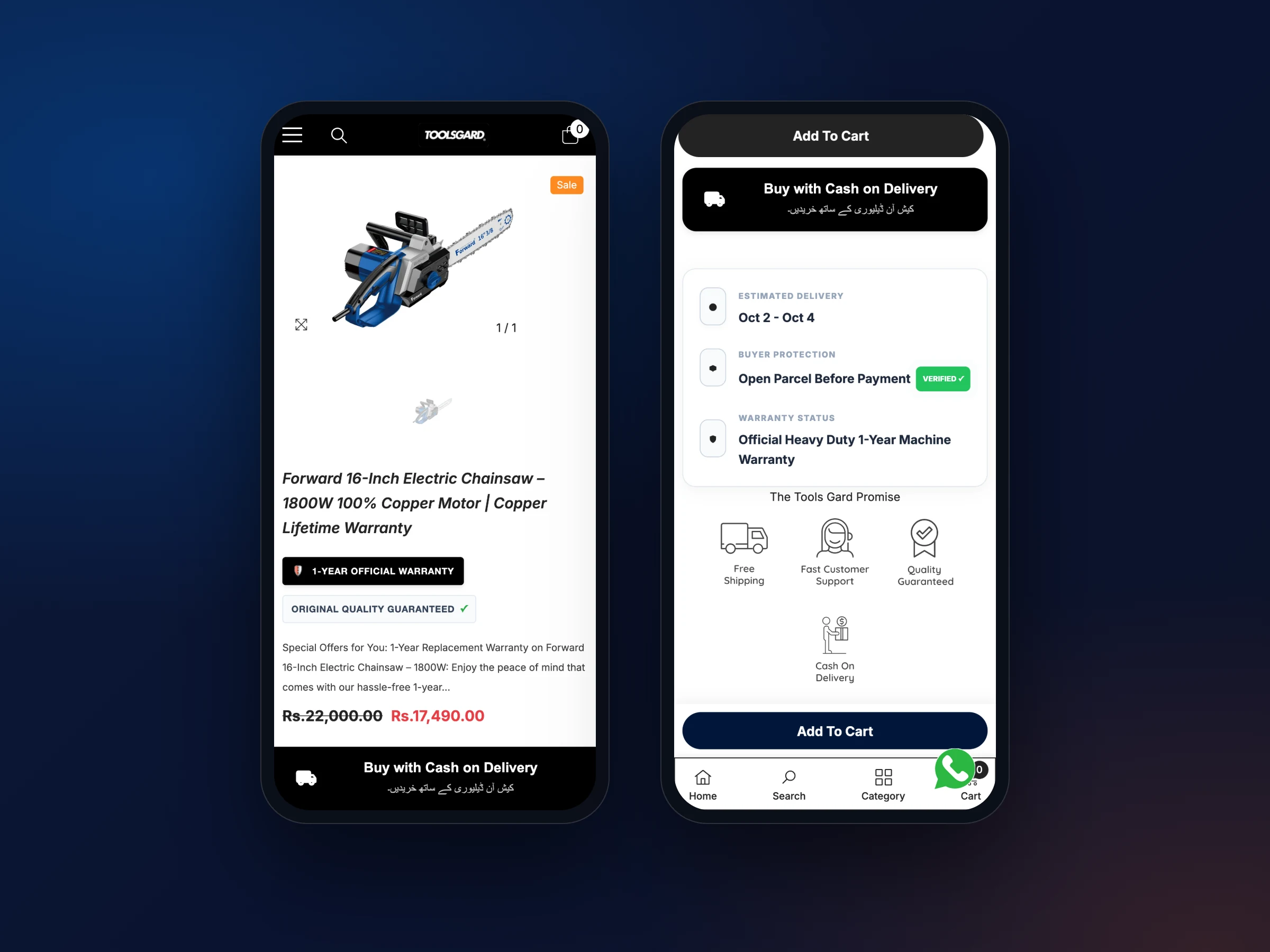
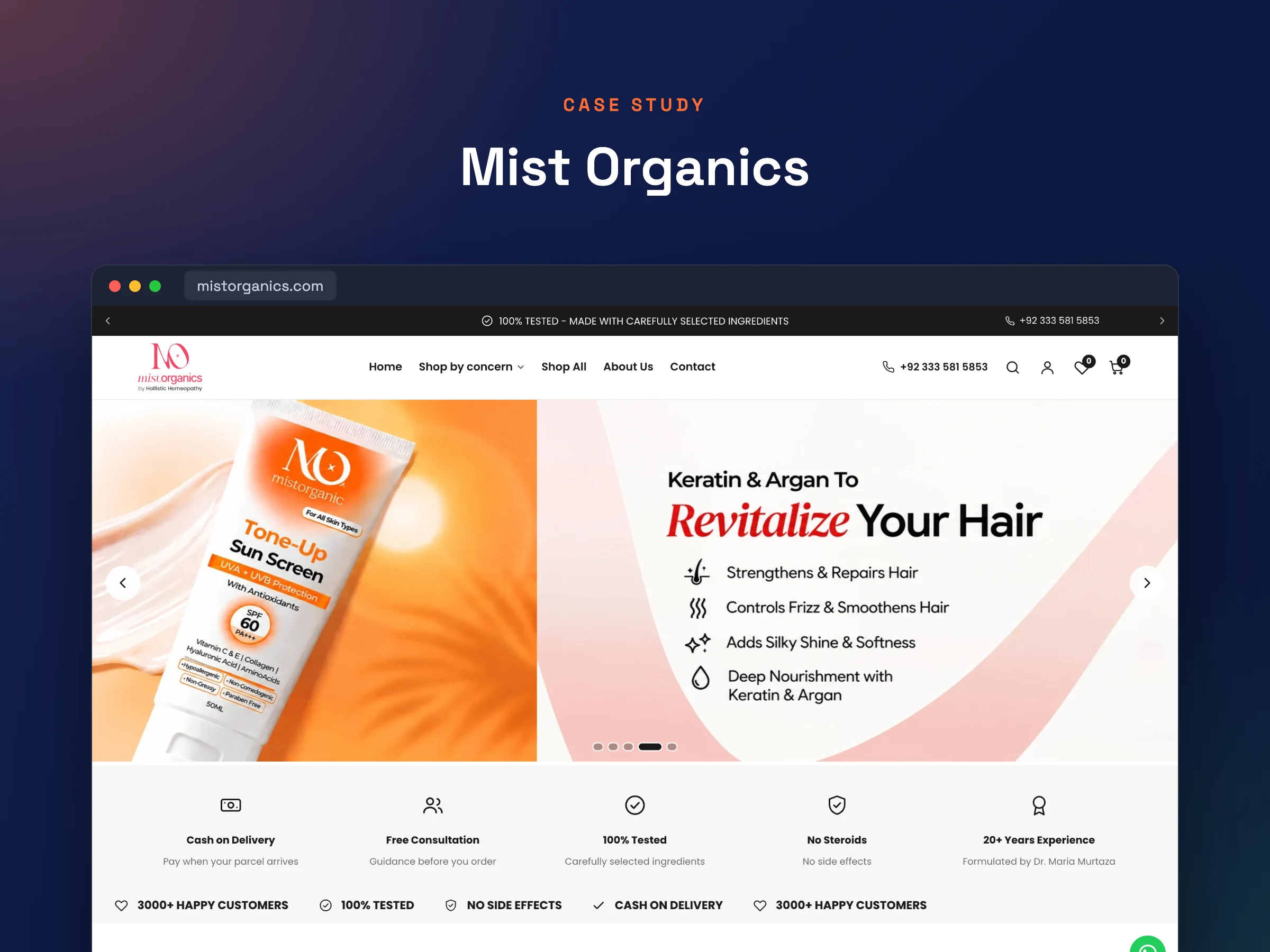
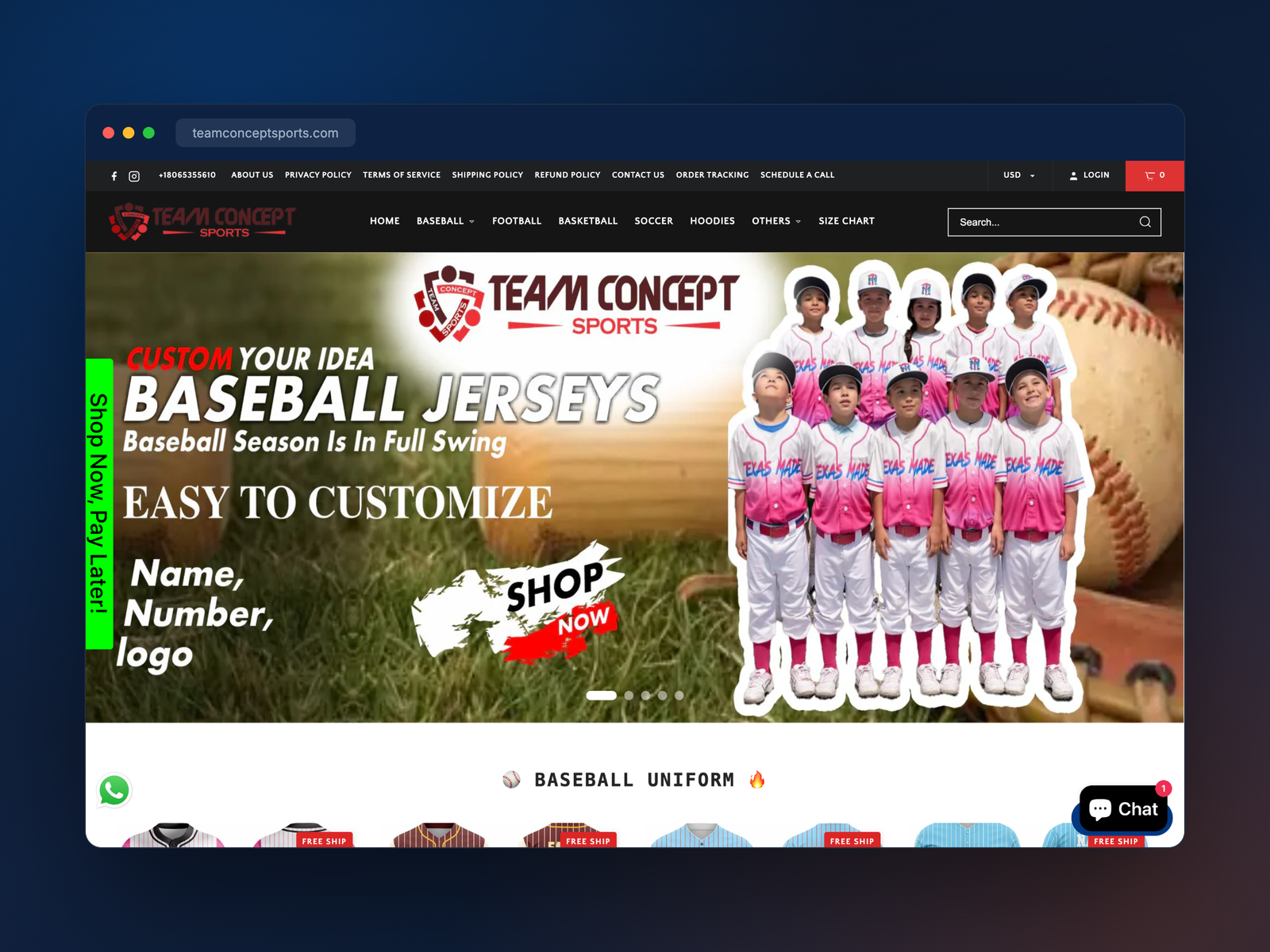
Recent wins.
Where we work
Shopify Development, written for your market.
This page is the global version. Each market below has its own — same team, same process, but the proof, the timezone overlap and the objections are the ones that apply where you are.
United States
Shopify Development in the United States
A Shopify development agency USA merchants can verify: an American made-to-order store carrying 675 products and 10,784 variants, launched…
United Kingdom
Shopify Development in the United Kingdom
A Shopify development agency UK merchants can check: three published builds, and a free store teardown naming what is slowing yours down.
Pakistan
Shopify Development in Pakistan
A Shopify development agency in Pakistan building stores around how buyers here pay: cash on delivery, third-party gateways and courier-led…
Built and run by us
Our own products, in production.
FAQ
Shopify Development questions.
More build services
Explore what else we do.
Mobile App Development
iOS & Android apps built with Flutter and native code — consumer apps, admin panels, and booking, education and healthcare products shipped to the stores.
Custom Web Development
Laravel and React systems — management platforms, portals, inventory, listing and booking systems built to scale with your business. A Laravel development company by habit rather than by branding: most of what people bring us is a system of record, and that is what Laravel is for.
WordPress Development
WordPress & WooCommerce — fast, secure business sites, blogs and stores that your team can actually manage.
AI / Automation & Special Systems
WhatsApp chatbots, workflow automation and AI content systems — bespoke tools that quietly save your team hours every week.
UI/UX Design
Figma design systems, app wireframes, dashboards and ecommerce UI — interfaces designed to be used, not just admired.
Website Maintenance & Support
WordPress maintenance services USA owners can hold us to, and the identical plan for everyone else — updates, backups, monitoring and recovery that keep a live site fast, secure and online.