Who it's for
One Flutter codebase, two polished stores — apps your users keep on the home screen and you can actually maintain.
- →Founders validating an MVP who need to ship without burning the runway
- →Businesses that have outgrown spreadsheets and need an app plus an admin panel
- →Clinics, schools and service businesses digitising bookings and records
- →Teams replacing a clunky third-party app with something they own
What's included
Everything we ship
- ✓Flutter apps for iOS & Android from one codebase
- ✓Native modules where performance matters
- ✓Admin panel / dashboard to run the app
- ✓Auth, payments, push notifications & APIs
- ✓App Store & Play Store submission
- ✓Crash reporting & post-launch support
Engagement
Fixed-scope project quote, sent within 48 hours of a discovery call — after a free teardown of your idea or existing app.
What you get
The difference it makes.
Ship in weeks, not quarters
One Flutter codebase means iOS and Android move together — no doubling the timeline or the bill.
An app you can run yourself
Every app ships with an admin panel, so you manage content, users and orders without calling us.
Built to pass review
We handle App Store and Play submission, privacy labels and the rejection-prone details so launch isn't a surprise.
Performance where it counts
Native modules for camera, maps, payments and offline so the app feels fast, not like a wrapped website.
Owned, not rented
You get the source, the repo and the keys — no platform lock-in and no per-seat SaaS tax.
Process
How we work.
Scope & flows
We map the core loop, cut everything that isn't the MVP, and agree a price you can pay.
Design the screens
A clickable prototype of every screen and state — signed off before a line of production code.
Build & integrate
APIs, auth, payments and the admin panel, with regular builds you can install and test.
Launch & support
Store submission, monitoring and a support window — plus a roadmap for v2.
Related work
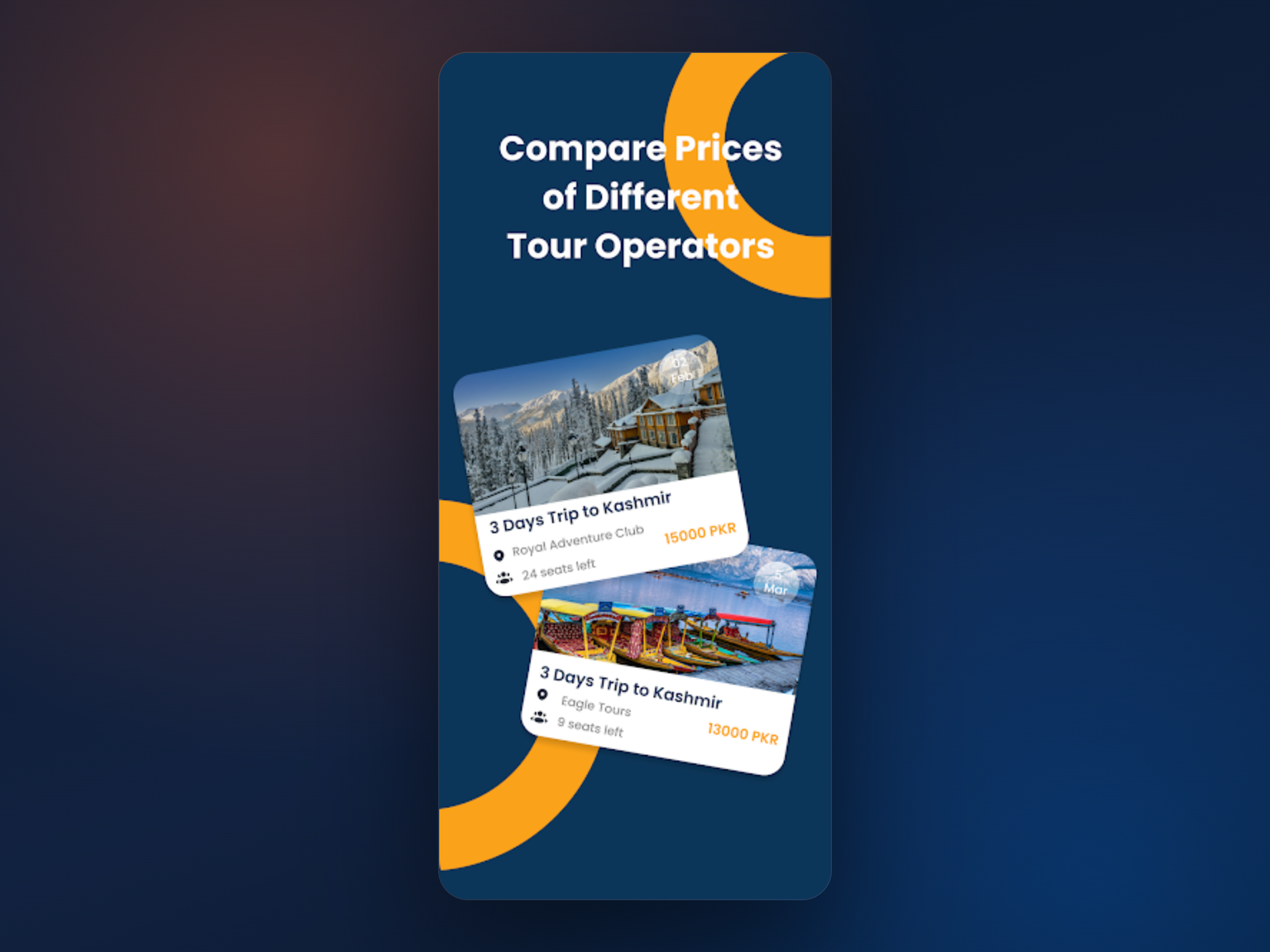
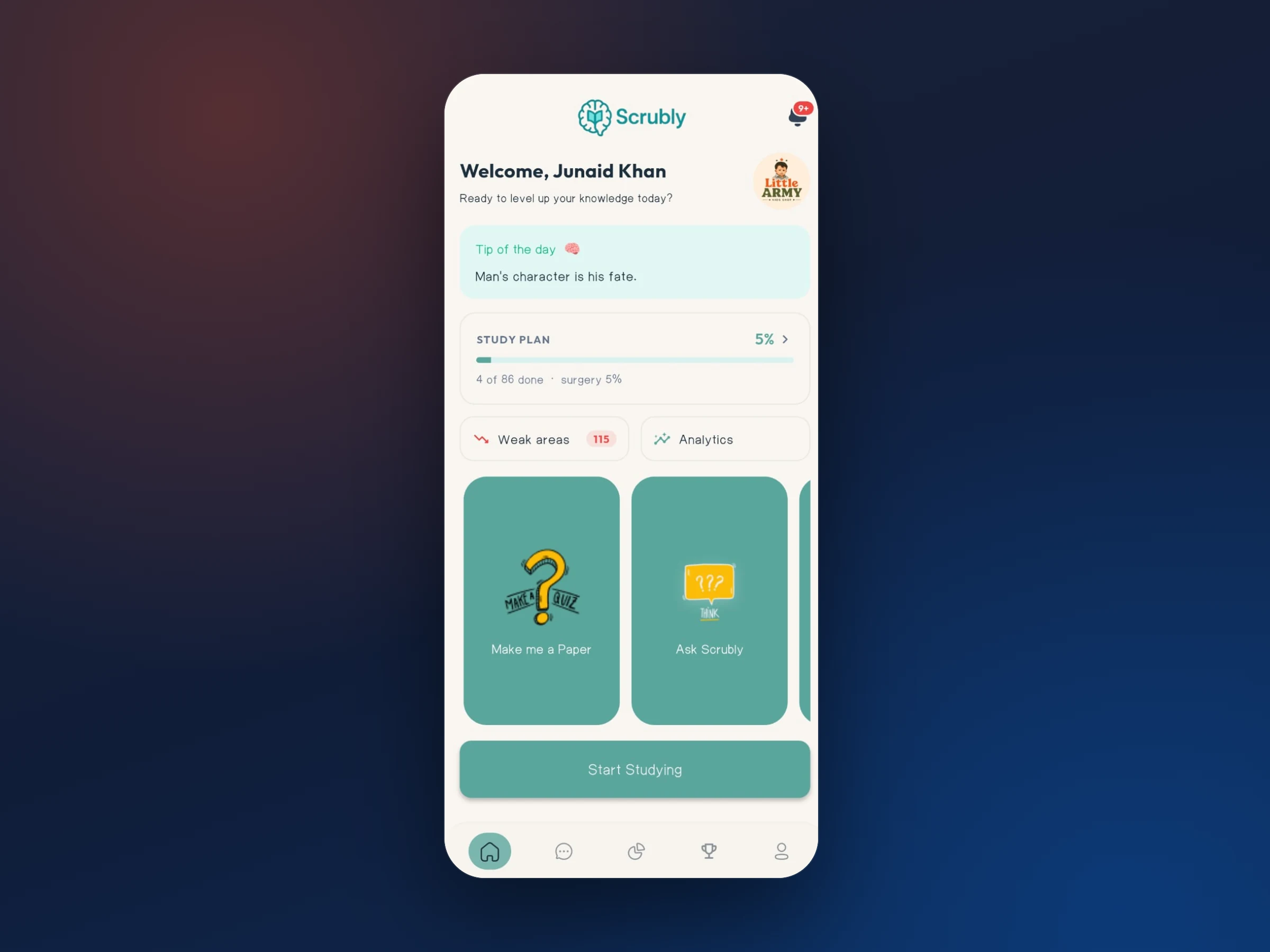
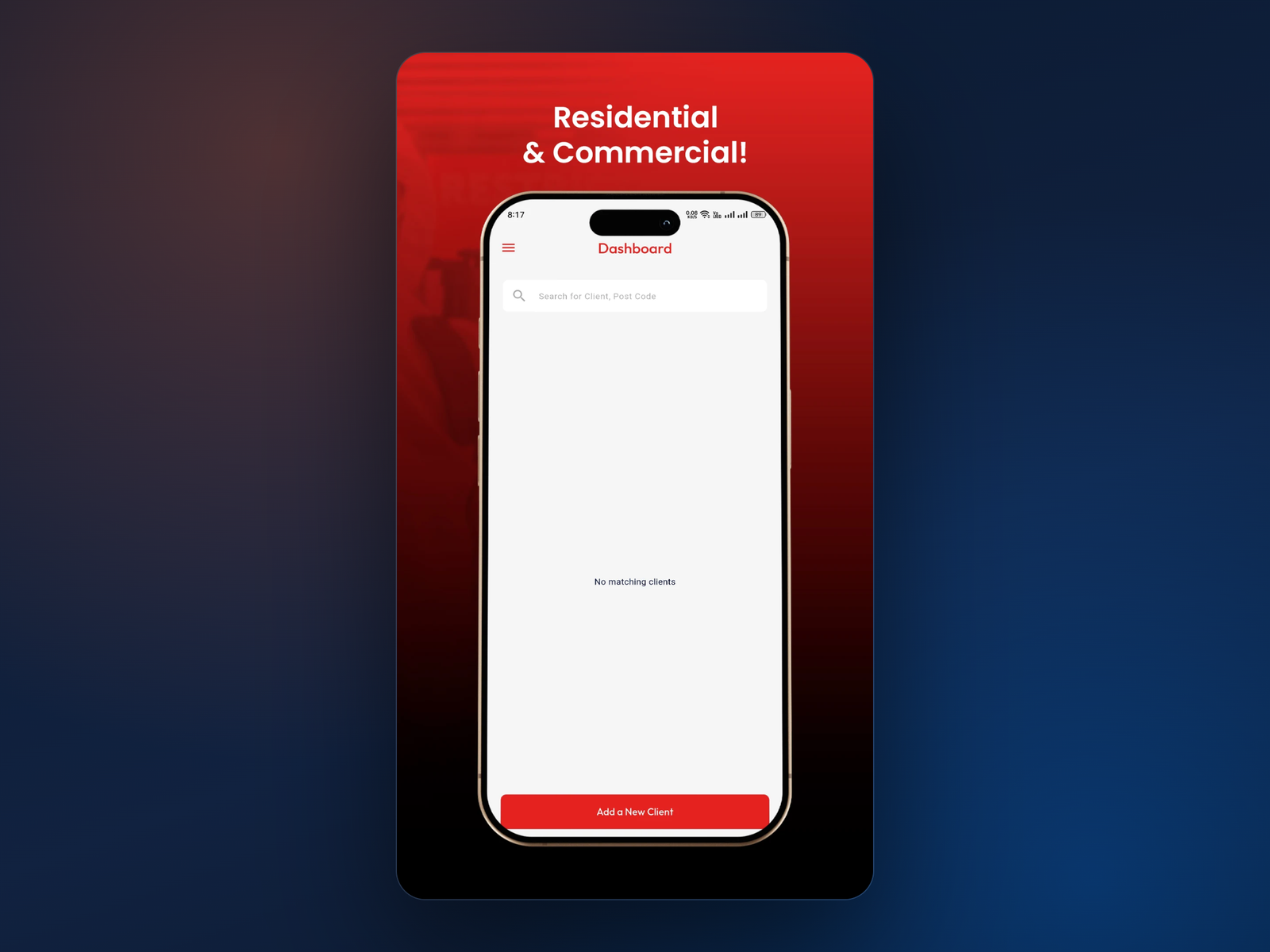
Recent wins.
Where we work
Mobile App Development, written for your market.
This page is the global version. Each market below has its own — same team, same process, but the proof, the timezone overlap and the objections are the ones that apply where you are.
United States
Mobile App Development in the United States
A mobile app development company USA businesses can ship with: five published apps, one codebase for both stores, developer accounts in…
United Kingdom
Mobile App Development in the United Kingdom
A mobile app development company UK founders can get a real date from. Two British apps shipped, taken through store review, accounts in…
Pakistan
Mobile App Development in Pakistan
A mobile app development company in Pakistan shipping Flutter apps to both stores under your own developer accounts. Fixed price, full…
Built and run by us
Our own products, in production.
FAQ
Mobile App Development questions.
More build services
Explore what else we do.
Custom Laravel Development
Laravel and React systems — management platforms, portals, inventory, listing and booking systems built to scale with your business. A Laravel development company by habit rather than by branding: most of what people bring us is a system of record, and that is what Laravel is for.
Shopify Development
A Shopify development agency for brands that sell — conversion-focused theme builds, custom sections and clean migrations, with the store handed back under your own account.
WordPress Development
WordPress & WooCommerce — fast, secure business sites, blogs and stores that your team can actually manage.
AI / Automation & Special Systems
WhatsApp chatbots, workflow automation and AI content systems — bespoke tools that quietly save your team hours every week.
UI/UX Design
Figma design systems, app wireframes, dashboards and ecommerce UI — interfaces designed to be used, not just admired.
Website Maintenance & Support
WordPress maintenance services USA owners can hold us to, and the identical plan for everyone else — updates, backups, monitoring and recovery that keep a live site fast, secure and online.