Before you commission anything
Most people asking for an app want one of two very different things.
The single most expensive mistake in this category is buying the wrong shape. These two projects cost different amounts, take different lengths of time and carry entirely different risk, and they arrive described in the same sentence.
The consumer app, which is a business, not a build
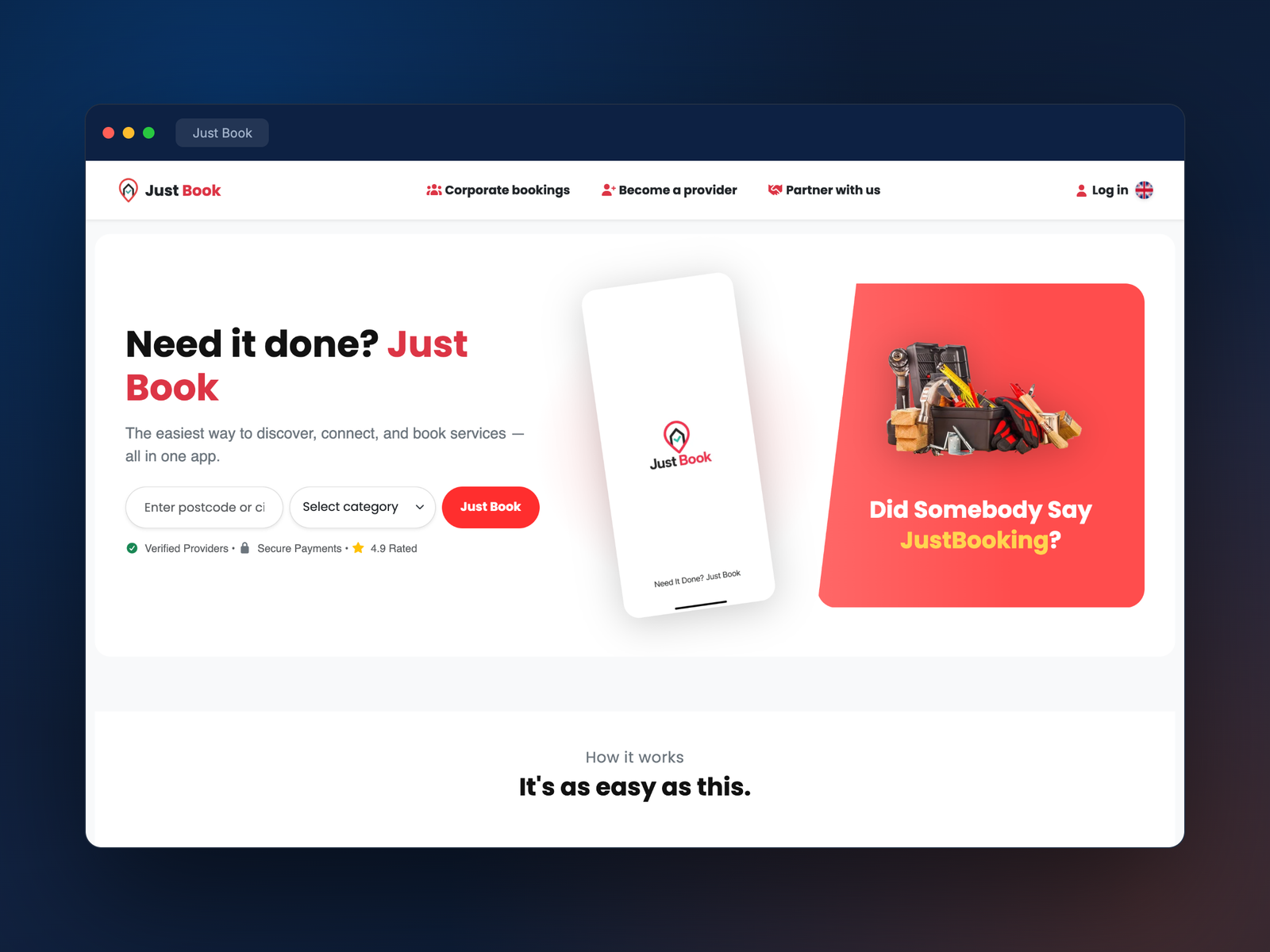
Just Book is this shape: two-sided, on both stores, five months, and the engineering was the tractable part. A consumer app needs users on day one or it is a very expensive way to learn something. If you are commissioning one, the questions that decide the outcome are how people will find it and why they will open it twice — and if the answer is that the app is the marketing, be careful. Ecommerce app development UK retailers ask for often falls here: your customers already have a browser that works, and an app earns its place only when repeat purchase frequency is genuinely high.
The internal tool, which is usually the better buy
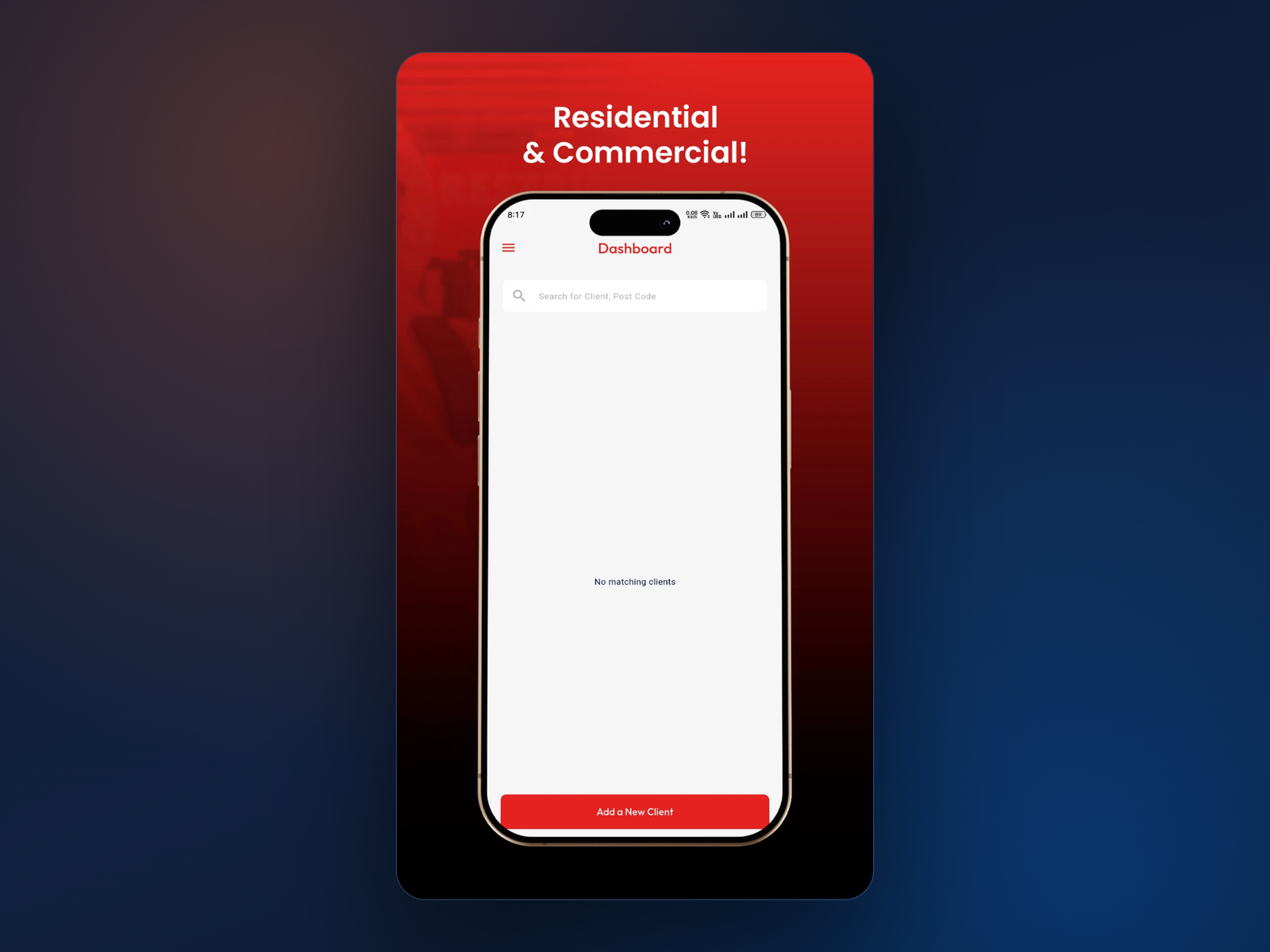
RapidKill is this shape: an admin app for a field-service business, six weeks, no marketing problem to solve because the users are your own staff and they have to use it. The return is measurable in a way a consumer app rarely is — a report that leaves site with the technician instead of a fortnight later, an invoice that follows it. A large share of people who arrive asking for an app want this one, and nobody has told them it is a quarter of the cost.
Nobody has scoped the store submission
Both Apple and Google will reject a first submission for reasons that have nothing to do with whether the app works — a missing privacy declaration, a login you have not given them a test account for, a permission you request without explaining. This is routine and it is planned for. Where it goes badly is when a studio treats submission as your problem and hands over a build file, which is why the case studies here say "in users' hands" rather than "delivered".
Delivered
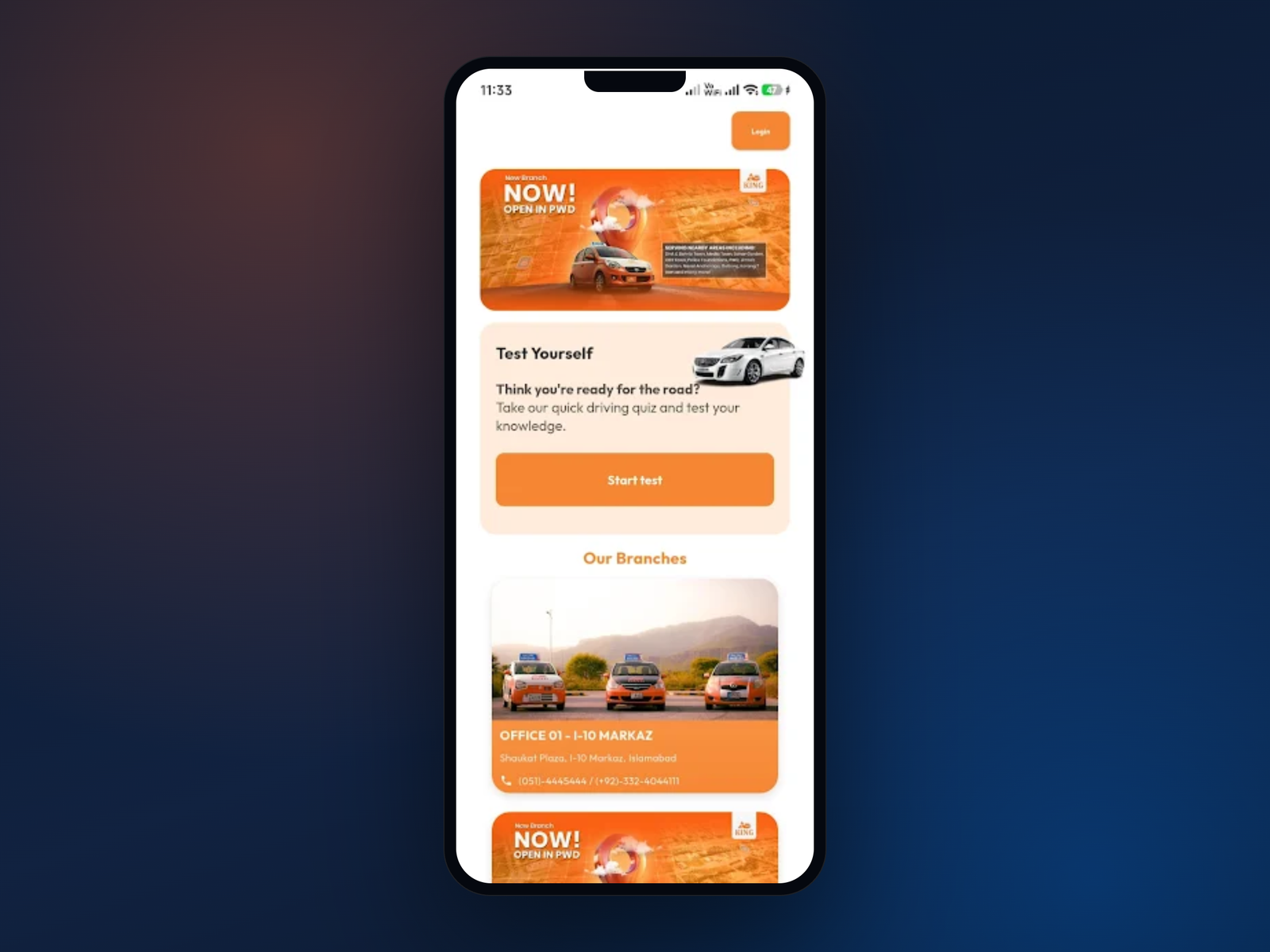
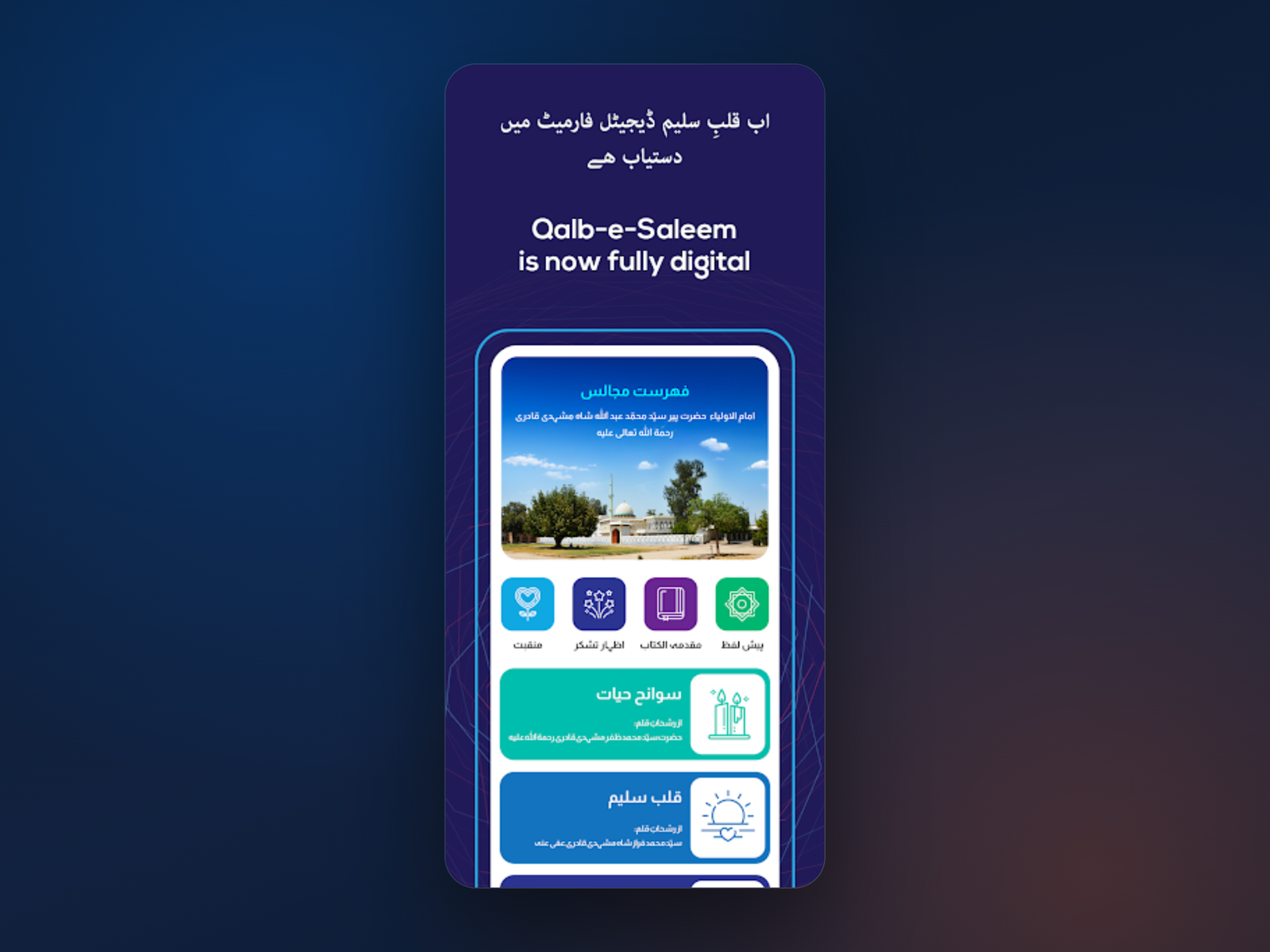
Both shapes, both shipped.

Related
The decisions underneath an app project.
One codebase or two?
The cross-platform case, argued properly — what you gain, what you give up, and when native is still the right answer.
The platform behind the app
Almost every app on this page is a client of an API somebody had to build. That work lives here.
If it is really a product
Subscriptions, tenants, roles and billing — the SaaS page, for when the app is the beginning of a business rather than a tool.
How an offshore studio ships a British app
We are in Islamabad and there is no UK office. For app work specifically that matters less than you would expect, and it is worth being precise about why rather than waving it off.
An app project is unusually well suited to a time-zone gap. The work is deeply asynchronous — you are reviewing builds, not sitting in a room — and a TestFlight or internal-testing build waiting in your inbox each morning is a better status report than any call. Both British apps here ran that way. What does need care is the store accounts: they belong to you, in your company's name, from the start. We are added as developers and removed at the end. A studio that owns your App Store listing owns your product, and getting a listing transferred later is a genuinely miserable process.
The British details an offshore team tends to miss
Judging a mobile app development company in the UK market from the outside is hard, so here are the things that are specifically British and that an inexperienced offshore team misses. Postcode-first search, because that is how people here look for anything local — Just Book is built around it. Payment sheets people recognise, since a card form that looks unfamiliar loses the transaction whatever the rest of the app does. And the privacy declarations both stores now demand, which have to match what your app actually collects; over-declaring is as much of a rejection risk as under-declaring, and the answer is to know exactly what your SDKs are doing before you fill the form in.
What we do not do
We do not build games, and we do not take on apps whose core is a hardware integration we have never touched — medical devices, vehicle telematics, industrial controllers. Both are real specialisms and pretending otherwise wastes a quarter of your year. If that is your project, the teardown will say so and point you at what to look for in a studio that does it.
How it runs
From an idea to a listing.
Teardown
Free, written, inside 48 hours — including an honest read on whether you want the consumer app or the internal tool.
Scope and fixed price
Every screen, every integration, both store submissions, and what is explicitly out. Approved before we start.
Build with test builds
Installable builds in your hands from early on, in your morning. You use the thing rather than reading about it.
Submit, launch, hand over
Through Apple and Google review, into your own store accounts, with the repository and every credential in your name.
Money
How we quote an app.
Fixed-scope app
The default. One written scope covering both platforms and both store submissions, one price in pounds, sent inside 48 hours of the discovery call.
- ✓Both stores included
- ✓Store review handled
- ✓Accounts in your name
Internal tool
The RapidKill shape — an admin or field app for your own staff. Shorter, cheaper and often distributable without a public listing at all.
- ✓Role-based access
- ✓Offline behaviour where it matters
- ✓Private distribution if you prefer
Rescue an existing app
An app that is stalled, rejected, or abandoned by whoever built it. Quoted after we have read the codebase and the rejection notices.
- ✓Written assessment first
- ✓Continue-or-rebuild answer
- ✓Listing transfer handled
No figures appear anywhere on this site, in any currency. An app quote depends almost entirely on how many screens have real logic behind them, and a published number would be invented. The teardown is free and produces a real one.
FAQ
Straight answers.
Built and run by us
Our own products, in production.
More from GOFTECH
Where to look next.
Mobile App Development for US Businesses
A mobile app development company USA businesses can ship with: five published apps, one codebase for both stores, developer accounts in…
Mobile App Development in Pakistan
A mobile app development company in Pakistan shipping Flutter apps to both stores under your own developer accounts. Fixed price, full…
Web Development for Lahore
A web development company for Lahore brands, run remotely from an Islamabad studio — stores, sites and apps, with a live preview from week…