Where app projects go wrong
The build is the easy half.
Most app projects that disappoint did not fail at the engineering. They failed at the three things that happen either side of it, and all three are foreseeable.
Nobody owned the store submission
An app that compiles is not an app that ships. Apple rejects for reasons that have nothing to do with code — a missing privacy label, an account you cannot delete from inside the app, a sign-in option that has to be offered, a screenshot at the wrong size — and each round trip costs days. A mobile app development agency USA buyers should hire is one that treats review as part of the project with a named owner, not as something that happens to you after handover.
Two codebases were bought where one would do
Some apps genuinely need native builds on each platform. Most do not, and paying twice for the same feature set is the single most common way an app budget doubles for no user-visible benefit. The honest test is whether the app leans hard on platform-specific hardware or interface convention; if it does not, one codebase compiled to both stores costs less to build and considerably less to maintain, because every future change happens once.
The backend was an afterthought
An app is a window onto a system, and the system is where the work is. Accounts, roles, notifications, an admin side for whoever runs the business, and an API that will not have to be rewritten when the second feature arrives. Projects that budget for the screens and not for what is behind them run out of money at precisely the point the thing starts being useful.
Delivered — with the country attached
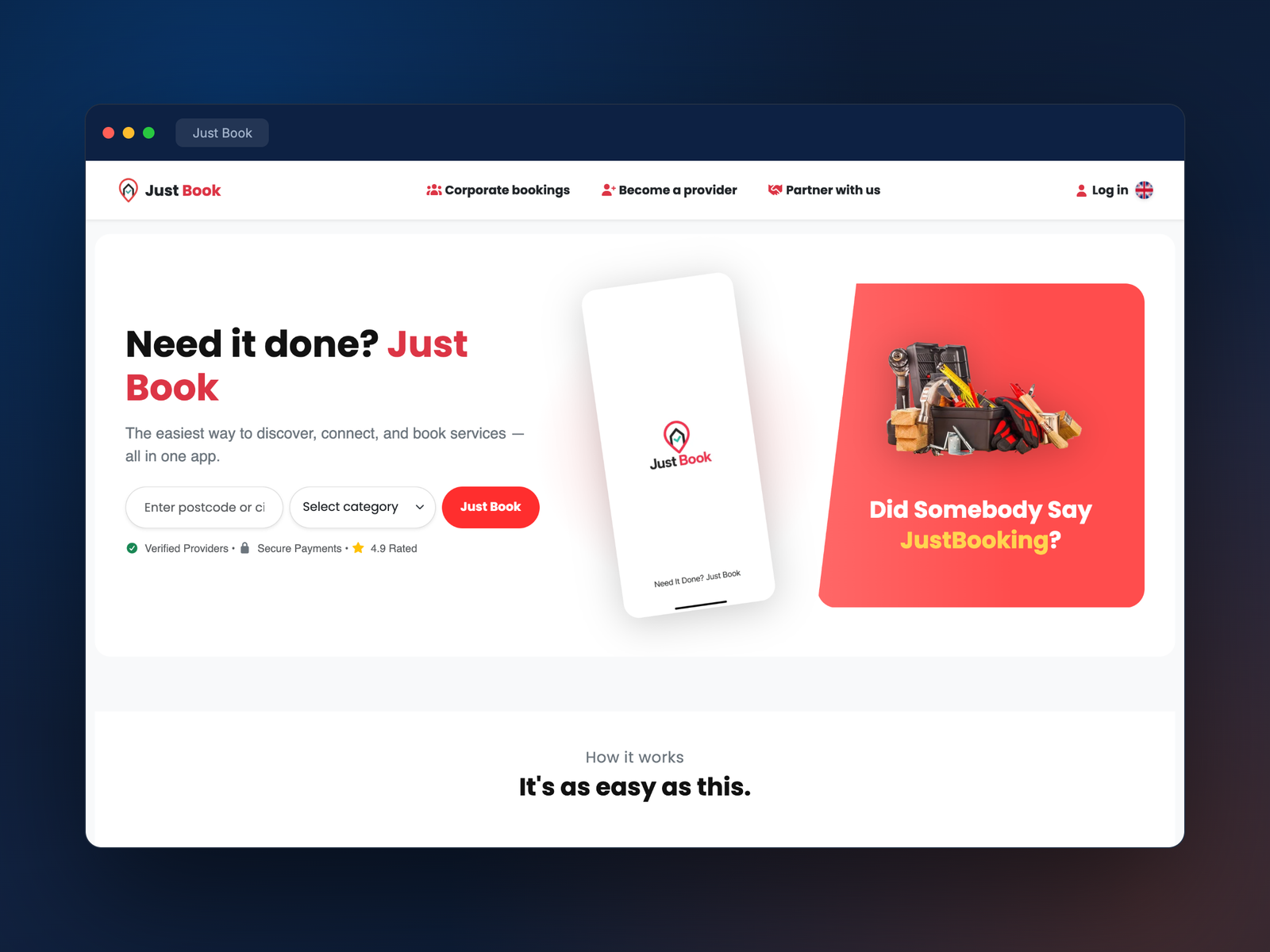
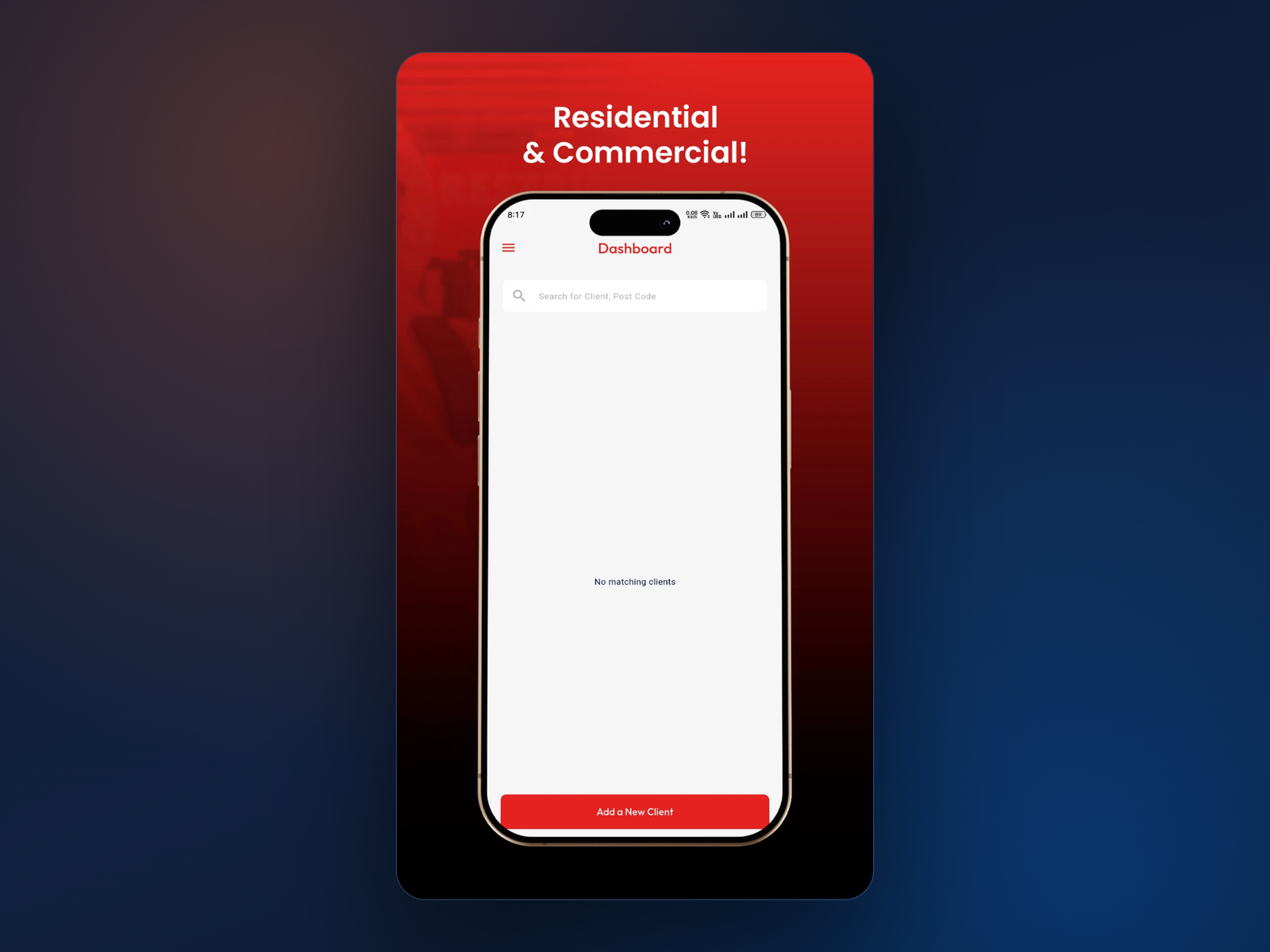
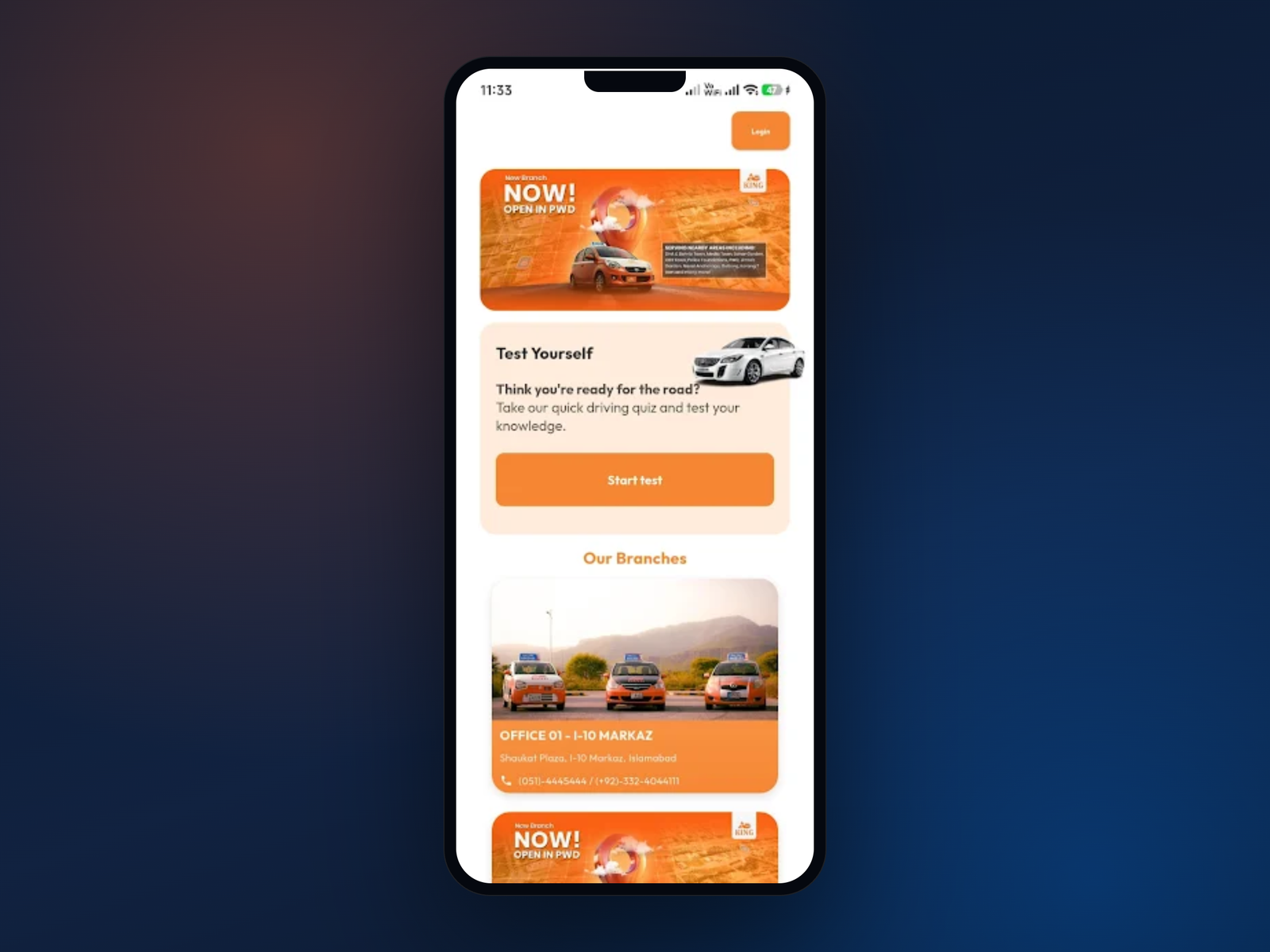
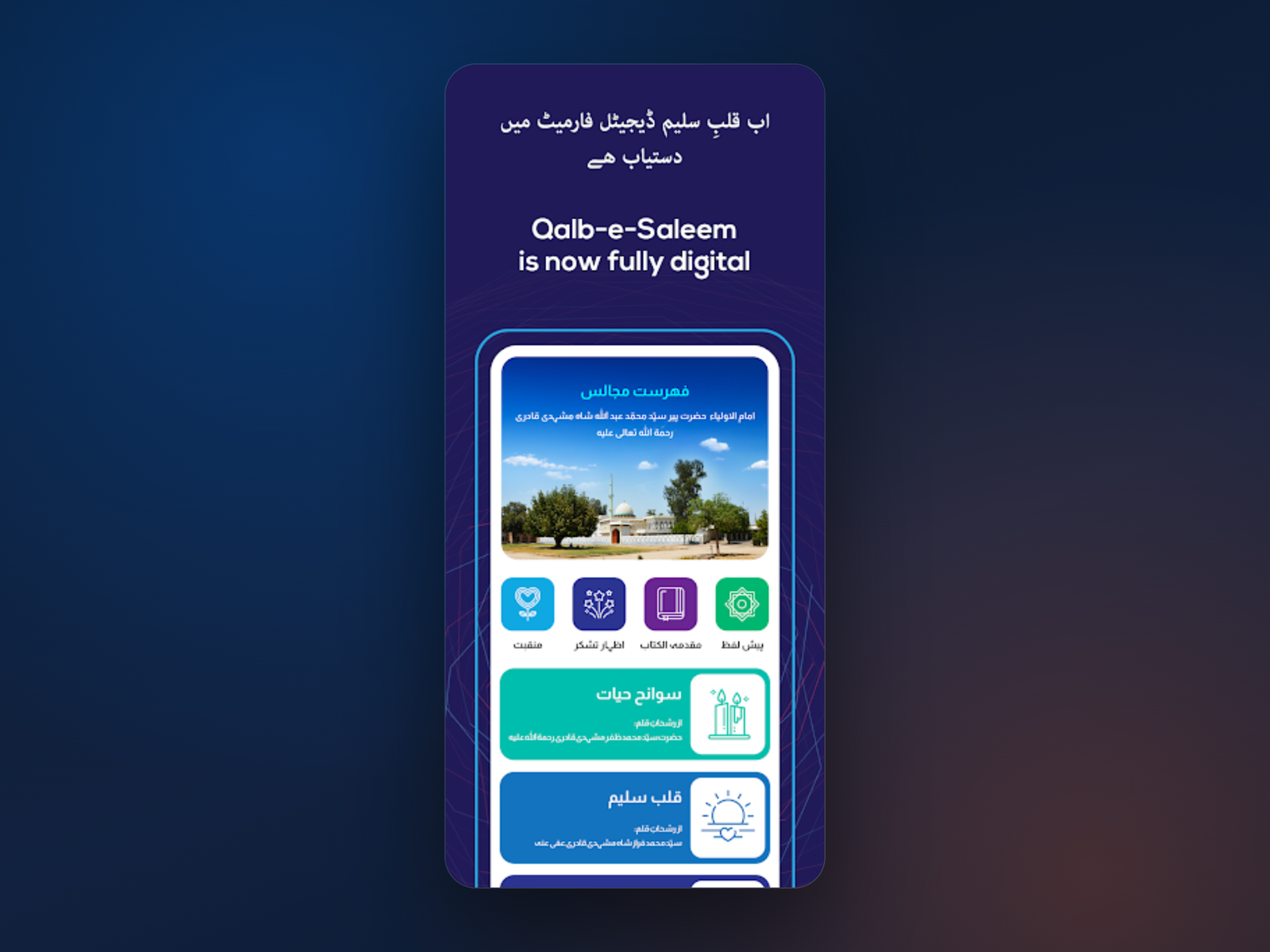
Five apps, in the stores, none of them American.

What actually differs about shipping to American users
An app binary does not know which country its users are in, and most of what makes an app good or bad is identical everywhere. Three things genuinely differ once your users are American, and they are worth scoping rather than discovering.
Store review runs on Apple's clock, not on ours or yours
Review responses arrive when they arrive, frequently overnight from your point of view and mid-morning from ours. That is the one place our zero-overlap day is an outright advantage: a rejection that lands at 11pm Eastern is being worked on before you have seen it. What we will not claim is real-time handling of a launch-day incident — if something breaks at 2pm Central, we are asleep, and the answer to that is a support window agreed in writing and paid for rather than implied.
Privacy labels and account deletion are not optional any more
Both stores now require an accurate declaration of what you collect and who you share it with, and Apple requires that an account created in the app can be deleted from inside it. Those are cheap to build in and expensive to retrofit under a rejection, and they interact with state privacy law in ways that are genuinely your counsel's call rather than ours. We build the mechanism; we will not tell you your disclosure is compliant, because that is not a thing an engineering studio can responsibly certify.
Payments are where the rules bite hardest
If you sell a digital subscription inside the app, Apple and Google take their cut and the rules about steering users elsewhere are specific and enforced. If you sell physical goods, you must not use in-app purchase and the flow looks completely different. Getting that distinction wrong is the most expensive mistake available in this category, and it is decided at scoping. Most ecommerce app development USA retailers commission falls on the physical-goods side, which is the simpler half — but it has to be said out loud before anyone starts.
How it runs
You see the price at step two.
Teardown
Free, written, inside 48 hours — including whether you need an app at all or a better mobile site would do.
Scope and fixed price
Every screen, both platforms, the backend, and store submission named as a deliverable rather than assumed.
Build overnight
TestFlight and Play internal testing builds from early on, so you are using it on your own phone while we build.
Submit, launch and hand over
We take it through review. Developer accounts, repository and every credential stay in your name throughout.
Money
How we quote an app.
Fixed-scope app
One written scope covering both stores and the backend, one price in dollars, inside 48 hours of the discovery call. It moves only when you change the ask.
- ✓Free teardown first
- ✓Store submission included
- ✓Out-of-scope stated explicitly
App plus platform
Where the app is the front of a larger system — a marketplace, a booking platform, an operations tool. Quoted as one project so the seam between app and backend belongs to somebody.
- ✓One team, both halves
- ✓Admin side included
- ✓Phased if it is large
Takeover and recovery
An app that was abandoned mid-build, or one in the stores that nobody can update any more. Quoted once we have read the codebase and checked what account access actually exists.
- ✓Written assessment first
- ✓Continue-or-rebuild answer
- ✓Account recovery help
There is no rate card on this site, in any currency, deliberately. A published figure is either wrong for your app or padded enough to cover all of them. What is fixed is the process: free teardown, written scope, one price, agreed before anyone starts.
FAQ
Straight answers.
Built and run by us
Our own products, in production.
More from GOFTECH
Where to look next.
Mobile App Development for UK Businesses
A mobile app development company UK founders can get a real date from. Two British apps shipped, taken through store review, accounts in…
Mobile App Development in Pakistan
A mobile app development company in Pakistan shipping Flutter apps to both stores under your own developer accounts. Fixed price, full…
WordPress and WooCommerce for US Businesses
A WordPress development agency USA owners can stop paying: sites you edit yourself on a maintainable plugin list, hosting and licences in…