GOFTECH is a registered software house with the Pakistan Software Export Board, the government body for Pakistan's IT exporters.
Why founder builds fail here
The demo works. The business underneath it was never built.
Agency-built products fail in a recognisable way, and never at the part the founder was worried about. It is almost never the feature list.
Single-tenant, sold as multi-tenant
The fastest way to demo a product is to build it for one customer and add the second one later. Later turns out to mean a rewrite of the data model, because tenancy is not a feature you bolt on — it is an assumption in every query, every upload path and every background job. Ask any prospective firm to explain how tenant isolation works in the schema before you sign.
Billing treated as a screen
Subscriptions are not a payment form. They are proration, failed cards, dunning, upgrades mid-cycle, refunds and a tax position, and every one of those is a support ticket you will be answering personally at 11pm if it was skipped. Local card processing adds its own failure modes on top.
A codebase nobody can hire against
Founders raise a round, hire two engineers, and discover the product is written in a way that only its authors can extend. Conventional structure and readable code are worth more to you than clever code, because your exit from us is the thing that determines your leverage over us.
What a product build includes
The unglamorous nine tenths.
Tenancy and permissions
Organisations, teams, roles and invitations, decided in the schema on day one rather than retrofitted at customer number two.
Subscriptions and billing
Plans, trials, upgrades, failed payments and the emails each of those has to send. Local and international gateways both.
The admin you run it from
Impersonation, refunds, plan changes and usage — so support does not mean a developer opening the database.
Onboarding that survives churn
The first ten minutes decide retention. Empty states, sample data and a first success moment, designed rather than left over.
A mobile client when it earns one
Flutter on the same API when the product genuinely belongs in a hand. Often it does not, and we will say so.
Instrumentation from launch
Activation, retention and the one metric your investors will ask about, wired before launch rather than reconstructed after it.
Products, not sites
Three platforms with users on them.

Building a product from Pakistan, sold anywhere
The economics are the reason a SaaS development company in Pakistan is worth talking to at all, and they are worth stating plainly. An engineering month here costs a fraction of one in London or San Francisco, which means a founder can reach a testable product on savings rather than on a round — and reaching a testable product before raising is most of what determines the terms of the round. That is the real advantage, and it is bigger than the hourly saving suggests, because it changes what you can afford to get wrong.
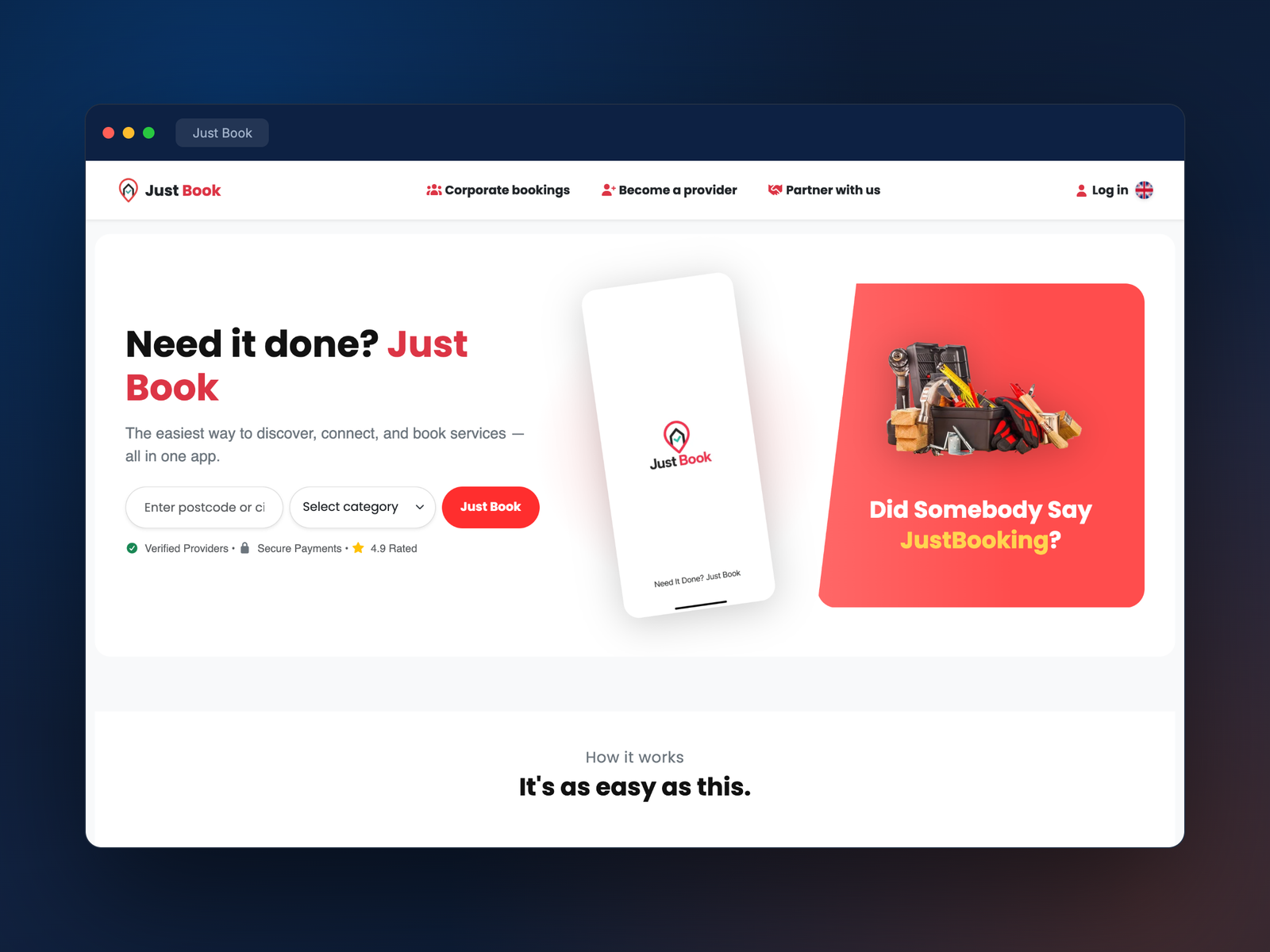
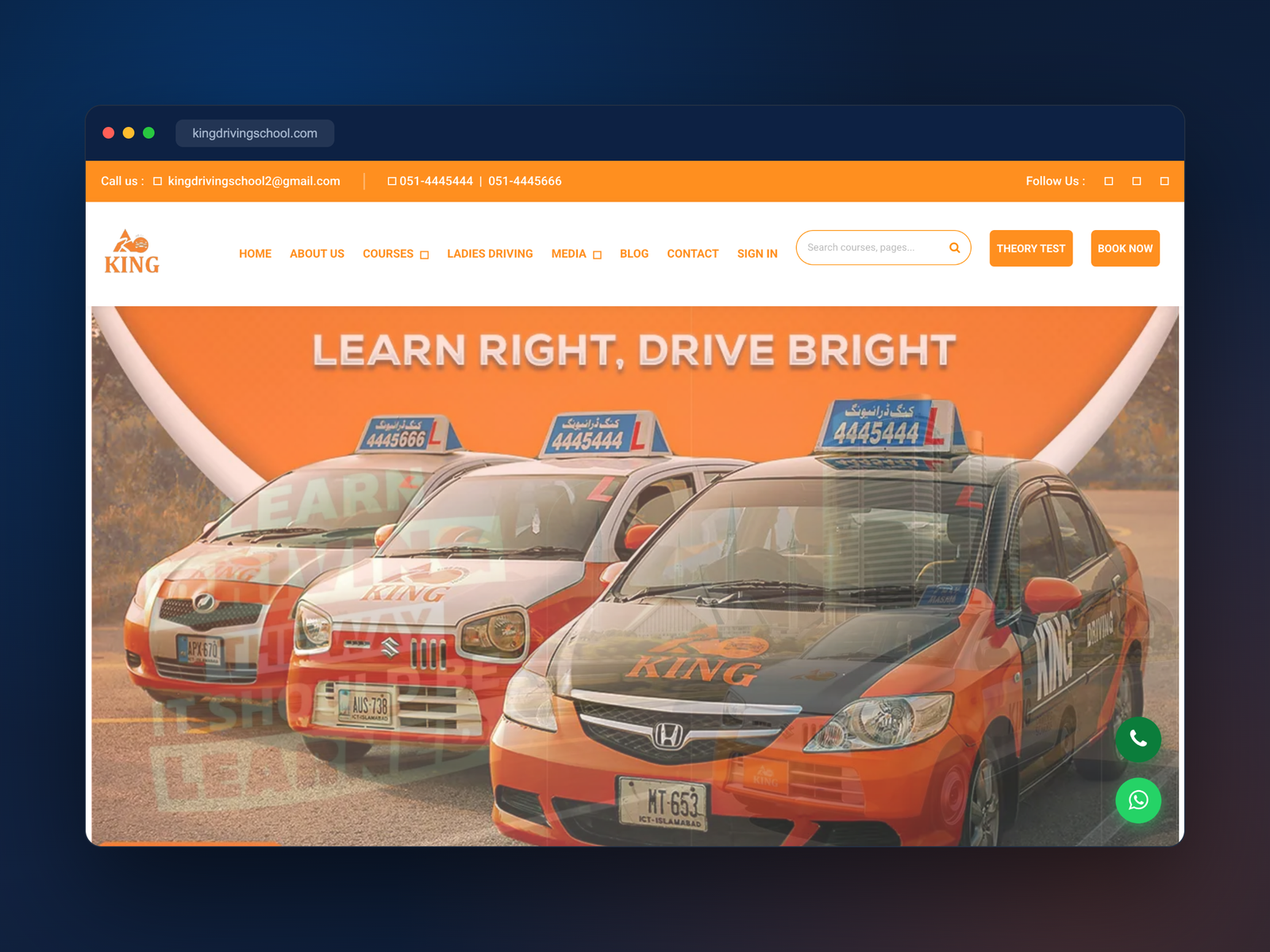
What it does not change is the standard your buyers apply. A product sold to a British operator is judged against British competitors, and Traveloup, Just Book and the King Driving School platform were all built to that bar. There is no domestic tier of engineering here and pricing a product build as though there were is how founders end up rebuilding in year two.
Where founder budgets actually go
Not where the pitch deck assumes. In the products above, roughly a third of the build went to the things a user never consciously sees: tenancy, permissions, the admin panel, billing edge cases and the background jobs that make the whole thing feel instant. The features on the landing page were the cheap part. When a quote looks unusually low, that third is what has been left out of it, and it is the third you cannot skip.
The handover is the product decision
Every product build here is scoped so that you can leave. Repository in your organisation from the first commit, infrastructure in your accounts, a README that a new engineer can follow, and conventional patterns rather than in-house cleverness. Founders often read that as generosity. It is not — it is what makes the relationship honest. If staying with us is the cheapest option only because leaving is expensive, we are not competing on the work.
The corollary is that we turn work down. If your idea needs one hundred customers at a low price point to break even and you have no distribution, the build is not the constraint and we will say so on the first call rather than sell you the thing we happen to make.
How it runs
Smallest testable thing first.
Product call
Who pays, what for, and what has to be true for them to pay again. Free, and it sometimes ends with us telling you not to build yet.
Scope the first release
One flow, done properly, with tenancy and billing decided even if only one plan ships. Fixed price, written down, inside 48 hours.
Build against real users
Staging from week one, and your first customers in it before launch rather than after. Instrumentation goes in with the features.
Launch, then hand the keys over
Your repository, your infrastructure, your Stripe or PayFast account. Continuing with us is a choice you re-make monthly.
Money
Priced per release, not per year.
Product shaping
Two sessions and a written first-release scope: the flow, the data model, the tenancy decision and the billing model. Yours to keep, including if you build it elsewhere.
- ✓Schema and tenancy decided
- ✓Written scope you own
- ✓Fixed, quoted up front
First release
The smallest version real customers can pay for, built properly underneath. Fixed price, fixed scope, and deliberately smaller than what you came in wanting.
- ✓Multi-tenant from day one
- ✓Billing that handles failure
- ✓Repository in your name
Ongoing product work
A monthly team after launch, for the roadmap that only exists once users arrive. Cancellable, and designed to be replaced by your own hires.
- ✓Month to month
- ✓Handover brief included
- ✓We help you interview
No figures on this page or anywhere else on the site. Product scope varies more than any other category we work in — the same feature list costs very differently depending on the tenancy and billing model underneath it — so the number follows the shaping sessions rather than an estimate made before them.
FAQ
Founder questions.
Built and run by us
Our own products, in production.
More from GOFTECH
Where to look next.
SaaS & Web App Development for UK Founders
A SaaS development company UK founders can leave: multi-tenant products with roles, permissions and a real admin side. Fixed-scope version…
SaaS and Web App Development for US Founders
A SaaS development company USA founders can hand to their own engineers: multi-tenant systems with roles, permissions and a real admin side.
Web Development in Pakistan
An Islamabad-based web development company in Pakistan building sites, stores, apps and internal systems. 110+ projects delivered, full…