Why remote engagements fail
It is rarely the distance.
We have inherited enough abandoned offshore projects to see the same three failures over and over, and none of them is really about geography.
The person you interviewed is not the person you get
A staffing agency puts its strongest engineer in the sales call and assigns whoever is free on Monday. You find out in week three, when the questions being asked in standup are ones you already answered. Ask for the names, the CVs and a call with each person before you sign anything — and treat a refusal as the answer.
Nobody owns whether it works
Bill by the hour and every incentive points at more hours. The engineer builds what the ticket said, the ticket was wrong, and the rework is billable too. Somebody has to be accountable for the outcome rather than the timesheet, and it should be written down which side that is.
The handover that never comes
Code sitting in an agency repository, deploys only one person can run, a domain registered to somebody else's email. It is not usually malice — it is drift — but the effect is the same the day you want to leave. Everything should be in your accounts from the first commit, not migrated at the end as a favour.
What the team actually does
Engineers, not seats.
Web platforms
Laravel and Next.js — dashboards, booking engines, CRMs and the unglamorous internal systems that run a business. This is the deepest bench we have.
Mobile apps
Flutter, one codebase across iOS and Android, shipped to both stores under your developer accounts rather than ours.
Shopify builds
Theme work, custom sections and apps for stores that have outgrown what the theme editor can express.
WordPress and WooCommerce
Plugin work, migrations and the performance rescue that a site accumulating eleven years of plugins eventually needs.
AI and automation
Integrations, document pipelines and the internal tooling that removes a job somebody is doing by hand every morning.
Design that ships
Interface and product design done alongside the build, by people in the same room as the engineers, so the handoff is a conversation rather than a file.
How an engagement starts
You meet the people before you commit.
One scoping call
What you are building, what your stack is, and how many people it genuinely needs. If the honest answer is fewer than you asked for, that is the answer you get.
Names and CVs
We propose specific engineers, you interview them yourself, and you can decline any of them. The person you meet is the person who joins.
A paid trial period
Two weeks of real work on your board before anyone signs a longer commitment. It is easier to judge a developer by a pull request than by a call.
Weekly, in your repository
Your GitHub, your project board, your staging environment. A demo every week, and direct access to the engineers rather than a summary of what they said.
Built for clients outside Pakistan
The work, and where it went.
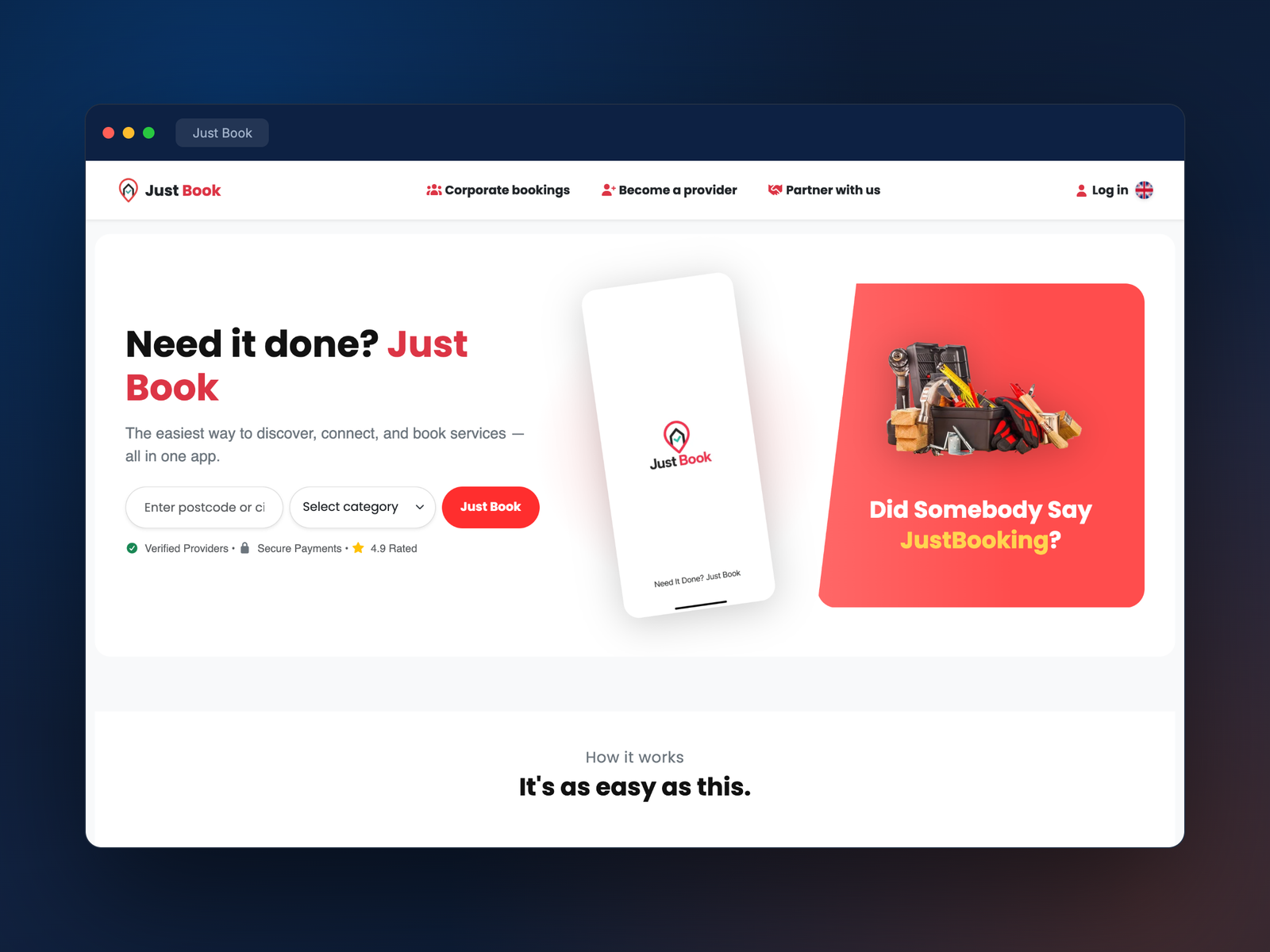

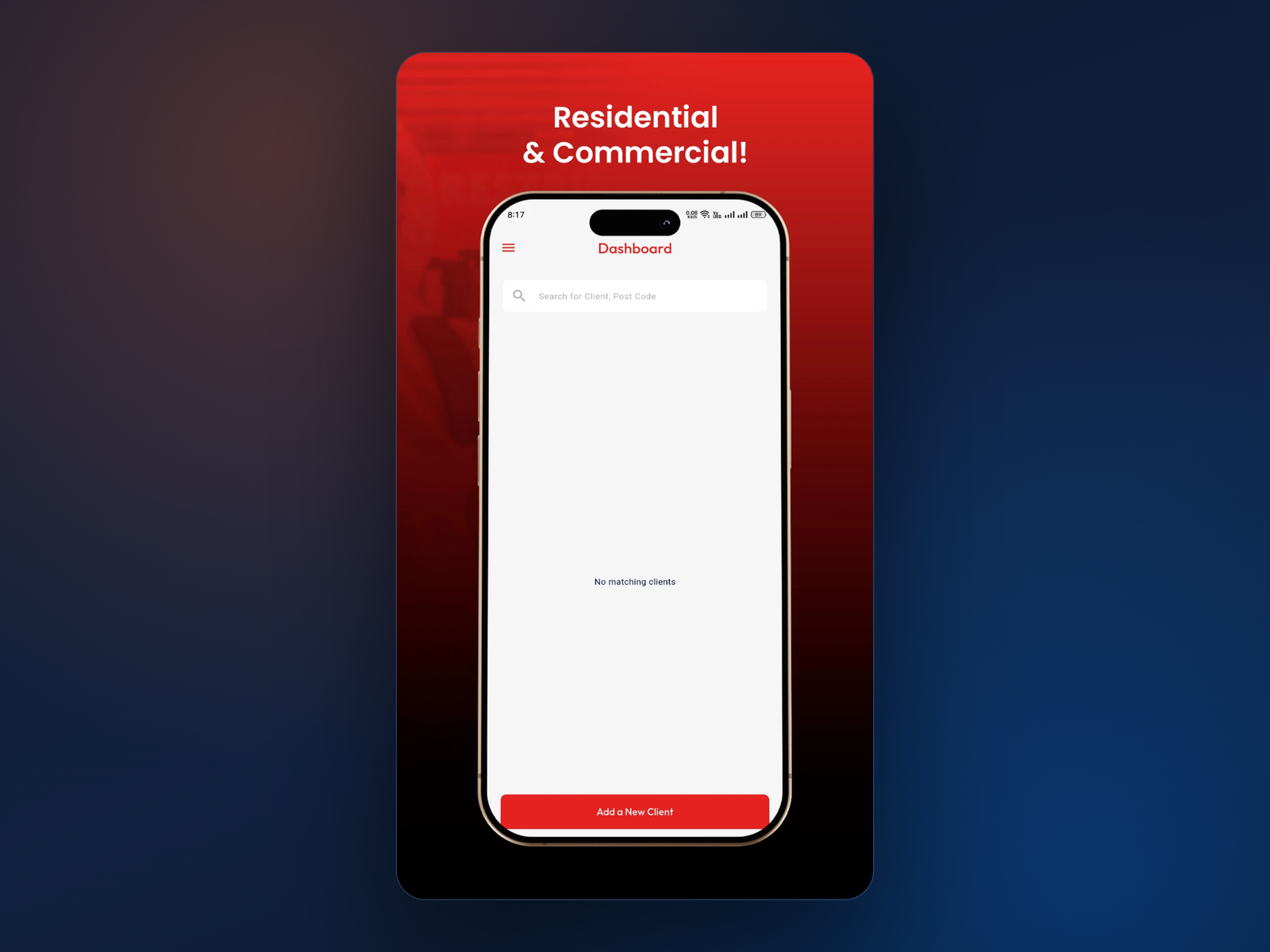


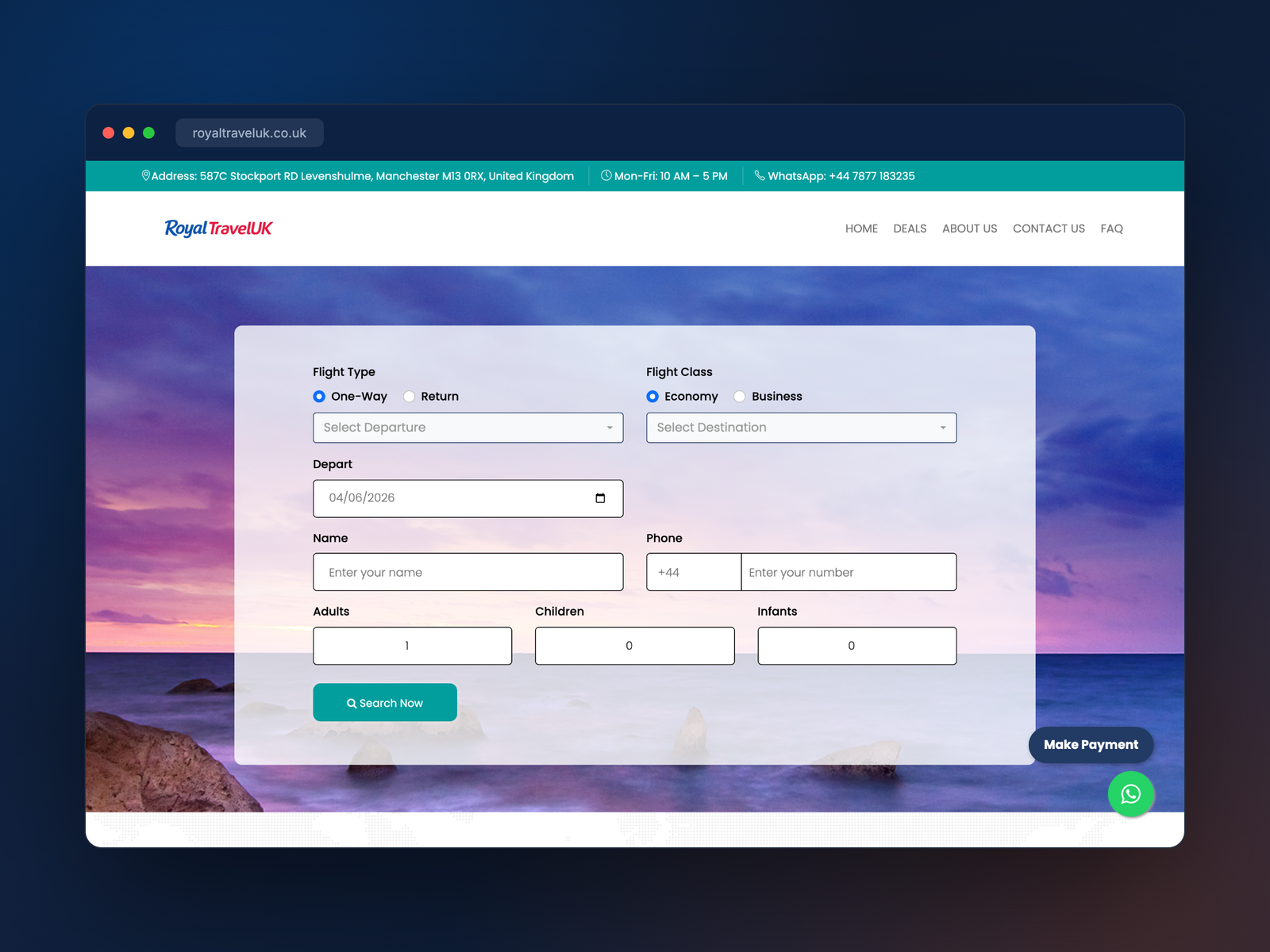
The two questions everybody actually asks
Almost every enquiry that reaches this page is really one of two questions wearing a suit: what will this cost, and how do I know you are real. Both deserve a straight answer, so here they are in order.
What it costs, and why there is no figure on this page
There is no rate card here, and there is not one anywhere else on this site either. That is a policy rather than an oversight. A published hourly figure for engineering is either wrong for your project or padded enough to be right for all of them, and a per-seat monthly number quietly hides the only variables that move it.
Those variables are worth knowing before you compare anyone's quote. Seniority is the big one: a developer who has shipped three products in your domain and one who is competent but new are not interchangeable, whatever a spreadsheet of rates implies. Stack matters next, because supply does. Length of engagement matters, since a three-month commitment prices differently from an open-ended one. And the last variable is the one most buyers forget to ask about — whether you are directing the work yourself or we are carrying delivery risk for an outcome. Those are two different products and only one of them is a rate.
What you get instead is a written quote within 48 hours of the scoping call, naming the people, the hours, the notice period and what happens to the code if you walk away. If you need a number to put in a board paper, that document is a better one than a rate card would be, because it is about your project.
Where the team actually is
Islamabad. Second Floor, Office No 02, Above Minnie Minors, Main PWD Road, and that is the only office there is. No New York address, no London number, no local presence page with a stock photo of a skyline — because there is no team in either country, and a mail-drop address pretending otherwise is the oldest trick in this industry. The engineers who would work on your product sit together in one room, which is most of the reason the work holds together at all.
The time-zone arithmetic follows from that and we would rather do it in public. The office runs nine to six, Monday to Friday, Pakistan Standard Time, which is UTC+5. Against London that is five in the morning to two in the afternoon, so a British team gets five hours of live overlap without anybody changing their routine. Against New York it is midnight to nine, and no arrangement of words turns that into a shared working day. What can be arranged is a shifted schedule for people on a US account — agreed in the scoping call, with the specific hours written into the contract, not promised on a landing page. Any firm that tells you its Pakistani team is simply available in American hours as standard has either not thought about it or not told its staff.
What is genuinely easier at this distance than most buyers expect: asynchronous review, because a pull request opened at six here is waiting when London opens; and continuity, because when you hire dedicated developers rather than book a project, the context stays with the same people instead of being rebuilt every engagement.
Shapes of engagement
Three ways this normally runs.
One engineer
A single developer on your team full time, in your standups and your repository. The usual start, and the easiest to judge quickly.
- ✓You interview them first
- ✓Two-week paid trial
- ✓Monthly, with notice
A small team
Two to five engineers with a lead who runs the day to day, for a product that needs building rather than maintaining. You still direct what gets built.
- ✓Named people, not a headcount
- ✓One lead accountable to you
- ✓Weekly demo in your repo
Fixed-scope build
You want a defined thing delivered, not a team to manage. Written scope, one quote, and we carry the delivery risk instead of you.
- ✓Everything listed before we start
- ✓Out-of-scope stated explicitly
- ✓Full handover at the end
No figures on any of these on purpose. What is fixed is the process — one scoping call, a written quote inside 48 hours, named engineers you interview, and a trial period before any longer commitment.
FAQ
The awkward questions first.
More from GOFTECH
Where to look next.
For Ecommerce
For DTC and ecommerce brands: conversion-focused Shopify and WooCommerce stores plus Meta and Google ads — one team, measured weekly on…
For SaaS & Apps
We design and build SaaS products, mobile apps and custom web systems from MVP to scale — Flutter, Laravel and React. Engineering-led…
App Development in Islamabad
An app development company in Islamabad shipping Flutter apps to both stores under your own developer accounts. Four apps live, paperwork…