What you are actually buying
Three different things are sold under one word.
Most disappointing automation projects are a mismatch rather than a fraud: the business needed one of these and bought another. They have different costs, different risks and different people doing them.
Plumbing, which is most of it and is not AI at all
An enquiry arrives, gets categorised, lands in the right person's queue, triggers an acknowledgement and updates a record. There is no model in that sentence and there does not need to be — it is rules and integrations, it is cheap, it is deterministic, and it is the majority of what a workflow automation agency USA businesses hire should actually be delivering. If someone proposes a language model for a job a decision table would do, they are selling the fashionable thing rather than the right one.
Language work, which is genuinely new and genuinely probabilistic
Summarising a long thread, drafting a reply, extracting structured fields from an unstructured document, answering a question from your own material. This is where models earn their place, and the thing to understand before you buy is that the output is probabilistic. It will be wrong sometimes. The design question is therefore not "how do we stop it being wrong" but "what happens when it is" — which means a human checkpoint wherever being wrong is expensive, and honest measurement of how often it happens.
Replacing people, which is usually the wrong frame
The projects that pay back are the ones that remove a repetitive task from a person who has better things to do, not the ones that try to remove the person. Head-count-reduction framing tends to produce over-scoped systems that get quietly abandoned, because the exceptions turn out to be the job. Start with the task everyone hates and nobody would miss, prove it works, then extend.
The plumbing, evidenced — read the distinction below
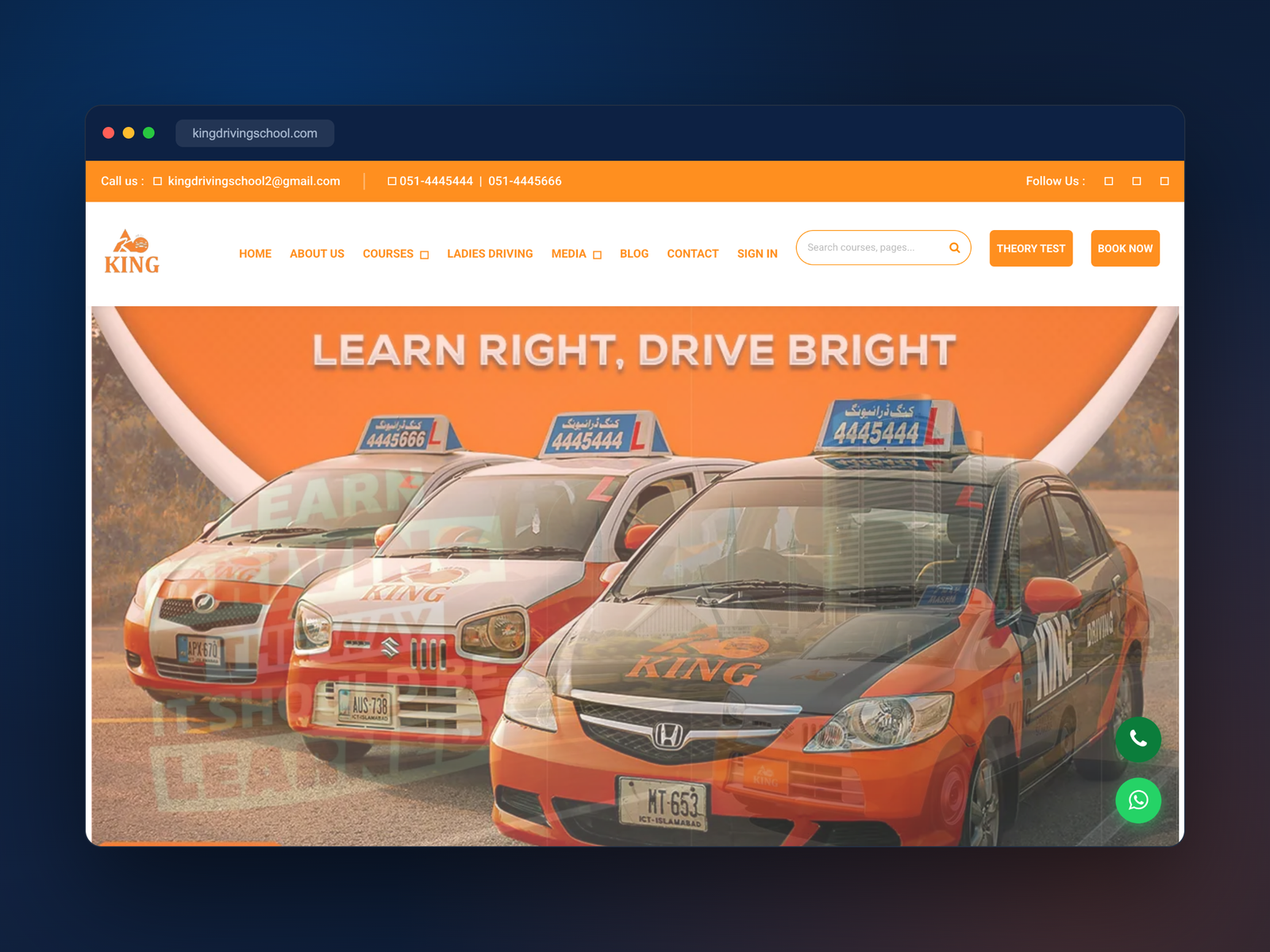
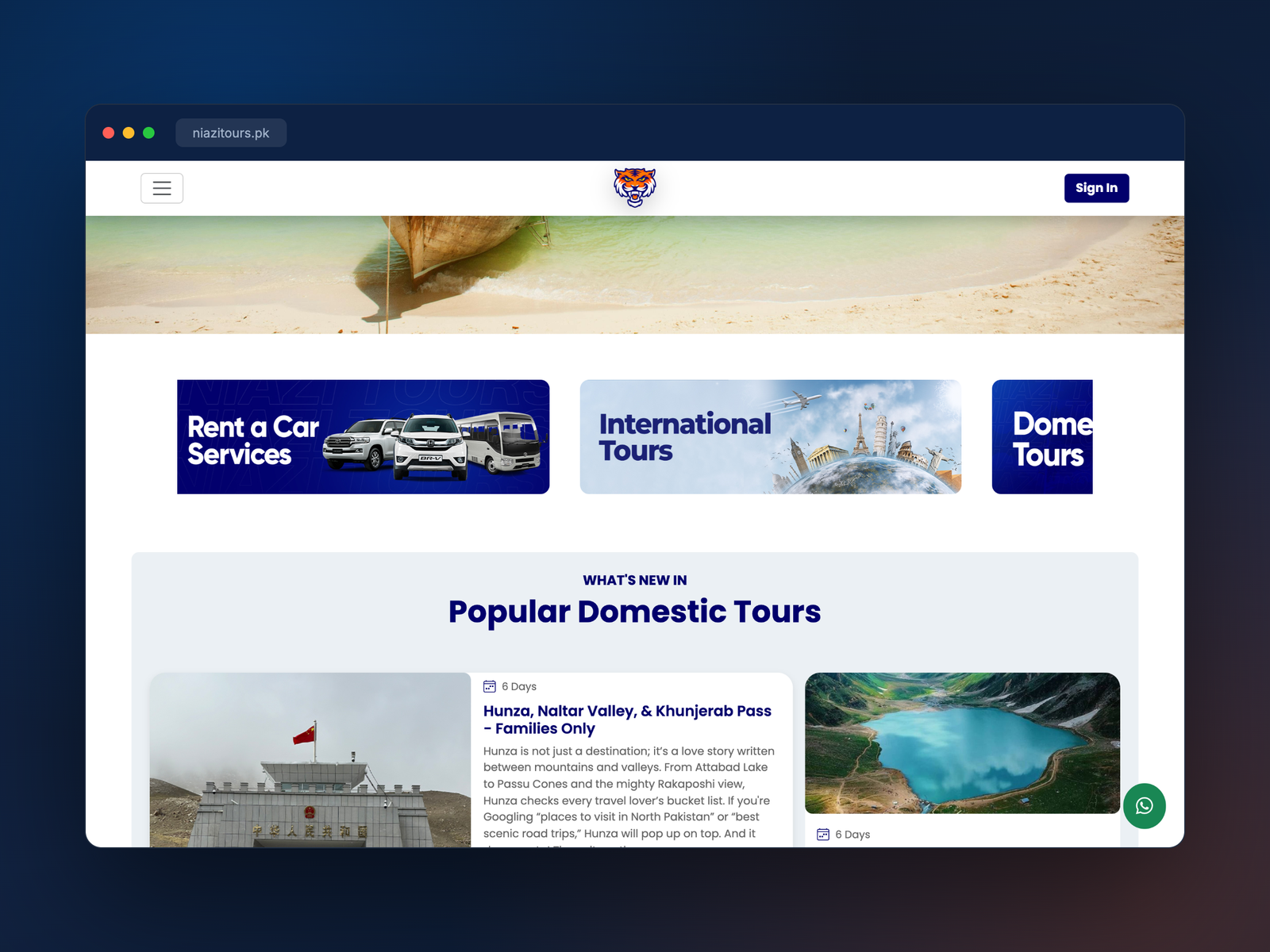
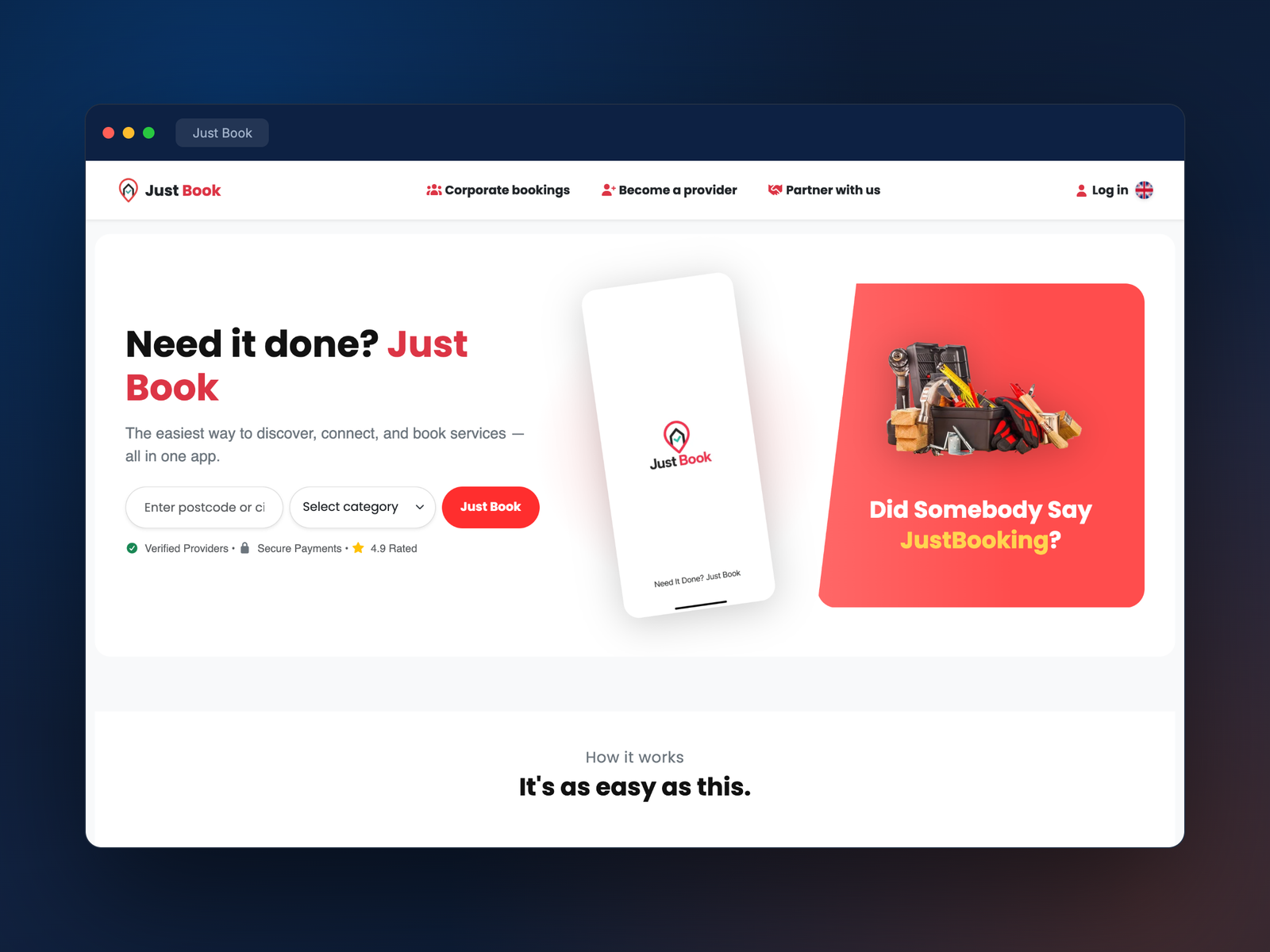
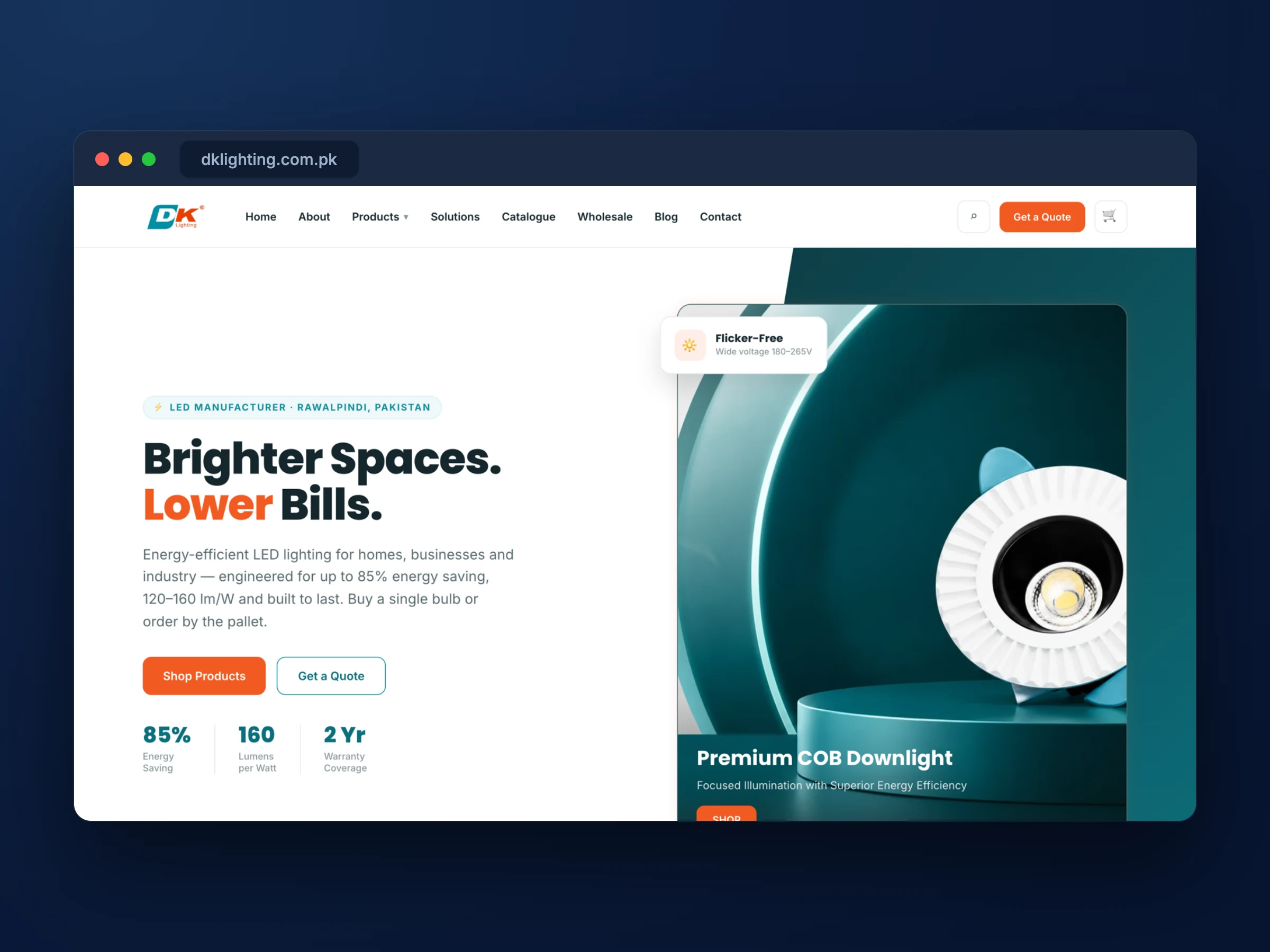
Systems where work already moves without anyone retyping it.
What we can prove, and what we cannot
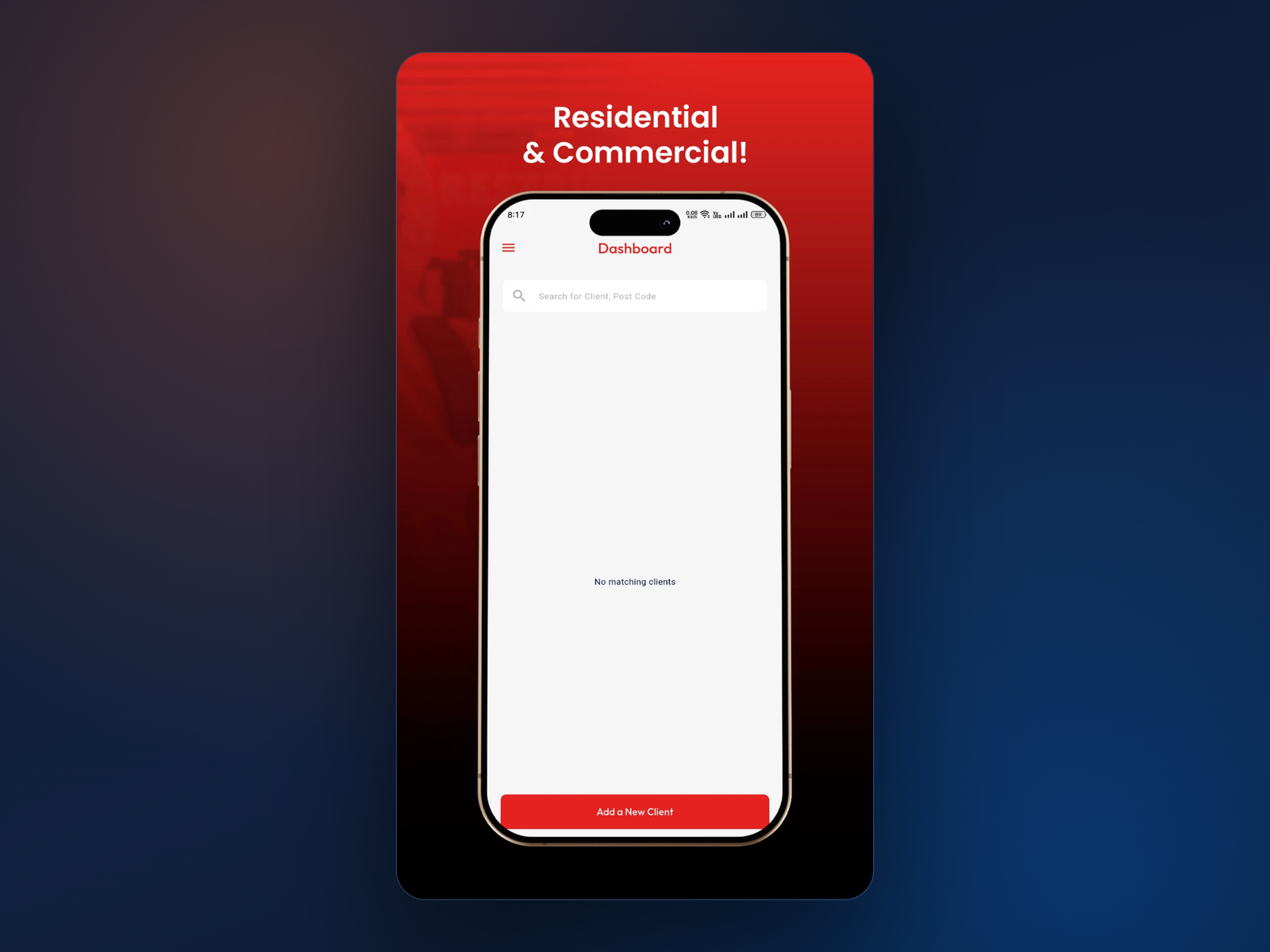
Not one of the projects above is an AI case study, and we are not going to relabel them as one. They are custom platforms, and we are citing them for a specific and narrower claim: that the hard part of most automation work is integration, and integration is a thing we demonstrably do.
What is actually checkable
An enquiry captured on a site and routed into a CRM with staff roles deciding who sees it. A booking moving through six tracked stages without anyone rekeying it. A storefront and an admin panel reading the same data so nobody reconciles two systems by hand. Those are the components every automation project is assembled from, built repeatedly, for clients still running them. What is not on our shelf is a published project where a language model is doing the work, in any market — so if that is the reference you need, we do not have one.
The question to ask any vendor in this category
Ask what happens when the model is wrong, and listen for whether the answer has a number in it. A serious proposal tells you the failure rate they measured, where the human checkpoint sits, and what the fallback is. An unserious one talks about accuracy in the abstract and moves on. Ask the same thing about cost: model calls are metered, a process that runs ten thousand times a month has a bill attached, and any custom AI solutions USA vendors propose should come with that arithmetic done in advance rather than discovered on the first invoice.
Where we would start, if you asked us today
With the smallest thing that annoys somebody daily. Not the flagship process — the one where a person copies fields between two systems for twenty minutes every morning. It is cheap, it is deterministic, it proves the integration works, and it builds the case for the larger piece with a real number rather than a projection. Vendors resist this because small projects invoice small. It is still the right order.
Related, and deliberately separate
The neighbouring problems have their own pages.
WhatsApp specifically
The channel page, for businesses whose customers are already messaging them there rather than emailing.
The system underneath
Where most automation work actually lives — the CRM, the admin panel, the platform the process runs on.
How working with us runs
Hours, contracting, payments and the parts we will not claim — the market page, in full.
How it runs
You see the price at step two.
Process teardown
Free, written, inside 48 hours. What you do by hand, what is worth automating, and specifically what is not.
Scope and fixed price
The process mapped step by step, with the human checkpoints named and the running cost estimated up front.
Build the smallest version
One process, working end to end, measured against what it replaced — before anything larger is agreed.
Extend or stop
With a real number in hand rather than a projection. Stopping after step three is a legitimate outcome and we will say so.
Money
How we quote automation work.
One process, fixed scope
The right way to start. One workflow mapped and built end to end, one price in dollars, with the expected monthly running cost written down before you commit.
- ✓Free teardown first
- ✓Running costs estimated up front
- ✓Human checkpoints named
Integration work
Connecting systems that should already talk — CRM, accounting, storefront, support desk. Frequently the whole answer, with no model involved anywhere.
- ✓Deterministic where possible
- ✓No per-call costs where rules suffice
- ✓Yours to extend
Ongoing
Monthly, once something is live. Monitoring what it actually does, correcting where it drifts, and reporting the failure rate honestly.
- ✓Cancel with notice
- ✓Failure rate reported, not hidden
- ✓Model costs passed through at cost
There is no rate card on this site, in any currency, deliberately. What is fixed is the process: free teardown, written scope, one price, agreed before anyone starts — plus, for this category specifically, an estimate of what it will cost to run each month.
FAQ
Straight answers.
Built and run by us
Our own products, in production.
More from GOFTECH
Where to look next.
AI & Workflow Automation for UK Businesses
An AI automation agency UK operators can get a straight no from. Most of this should be a script, not a model — we say which yours is…
AI & Workflow Automation in Pakistan
An AI automation agency in Pakistan building WhatsApp order confirmation, lead routing and document assistants — models only where a rule…
WordPress and WooCommerce for US Businesses
A WordPress development agency USA owners can stop paying: sites you edit yourself on a maintainable plugin list, hosting and licences in…